
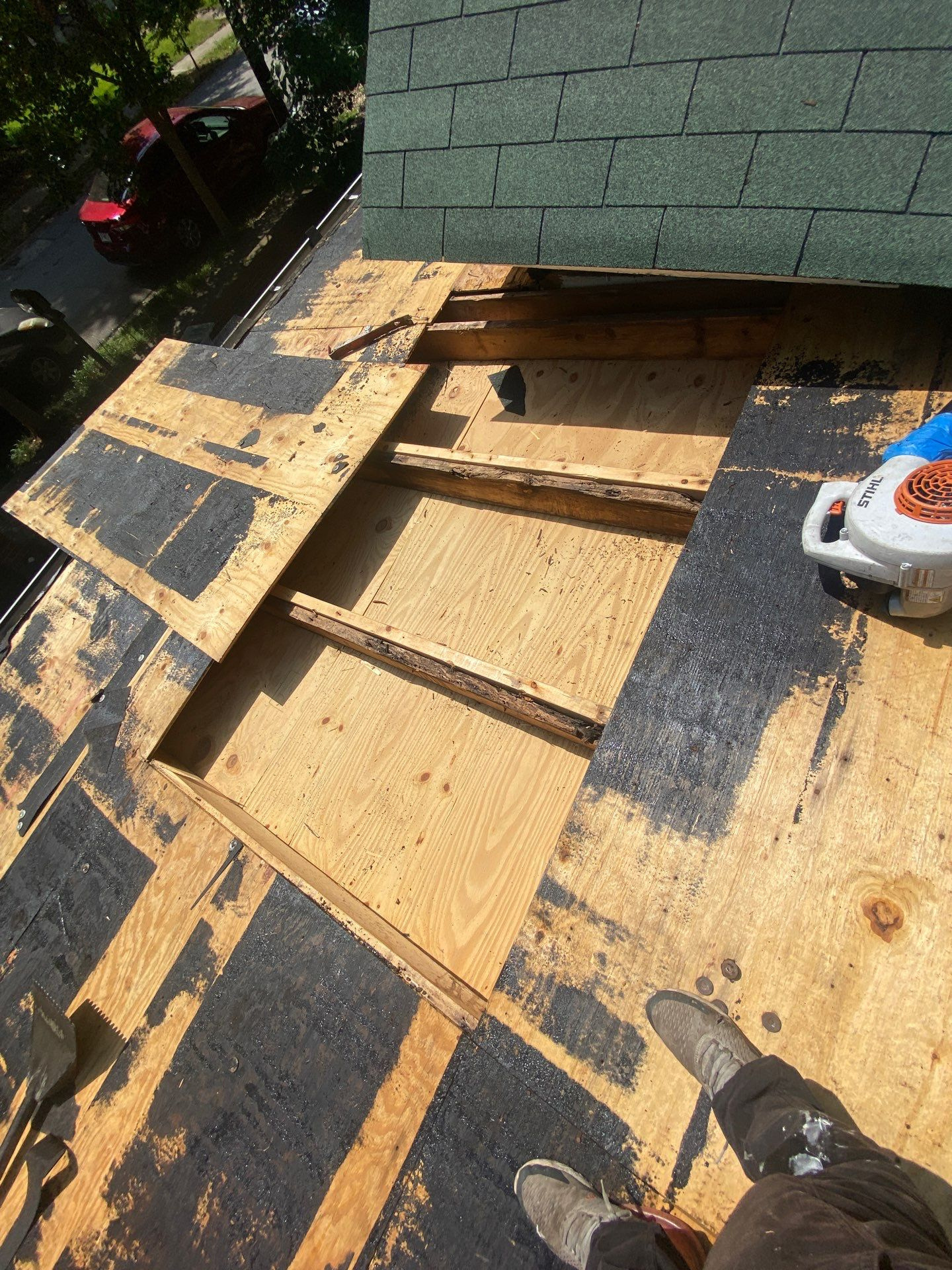
Wood Rot Repair in Marietta: Stop Hidden Roof Moisture Before It Spreads
Roofing Done Right the First Time.
We trace the moisture source before we touch a board. Fix the cause first, or the same soft spot comes back in two years.
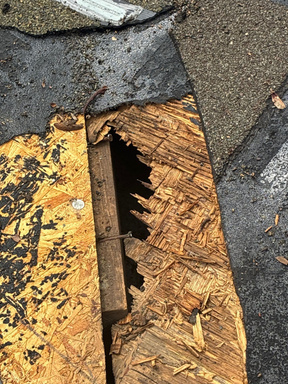
Signs Wood Rot Has Started at Your Roofline
Wood rot at the roofline usually shows up first as dark streaks, soft or spongy fascia, and peeling paint near soffits and trim. Humid summers and heavy tree cover can keep moisture sitting in these spots longer than in drier climates, so small signs turn into soft wood fast. Catching it at the fascia or soffit stage means you're not looking at decking replacement yet.
The roofline takes more punishment than almost any other part of your house. Rain runs off the shingles, sits in the gutters, and soaks the fascia board day after day. Add tree cover dropping needles into valleys and gutters, and you've got a spot that holds moisture way longer than it should. That constant dampness starts the whole process.
- Dark streaks or black staining running down the fascia board
- Soft, spongy wood you can press in with your thumb
- Paint bubbling or peeling near the soffit and trim
- Small holes or crumbling wood, often from insects following the moisture
- Sagging soffit panels or gaps where trim used to sit tight
It's not always obvious from the ground. We've climbed up on plenty of roofs where the shingles looked fine, but the pipe boots or exterior trim underneath were already soft. Left alone, soft fascia spreads to the soffit, then to the decking underneath the shingles. That's a bigger job.
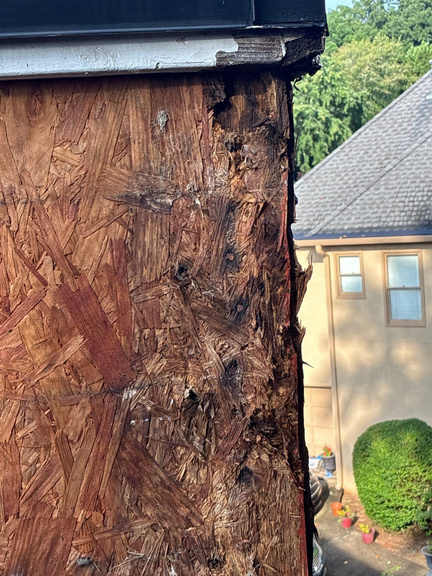
Why Fixing the Moisture Source Matters More Than Replacing Wood
New wood rots just as fast as old wood if the water keeps coming in. We see this every week. A homeowner replaces a soft section of fascia, feels good about it, and calls us two years later with the same soft spot in the same place.
Rot is a symptom. Water is the disease. Before we touch a board, we trace where the moisture is coming from. A cracked pipe boot on the roof. A gap in the flashing where the chimney meets the roofline. Clogged gutters dumping water straight down the fascia every time it rains.
Once we find the actual entry point, whether it's a soffit vent, a piece of exterior trim pulling away, or flashing that's rusted through, we fix that first. Then we replace the damaged wood. Skip that step and you're not repairing wood rot. You're just postponing it.
Protect your home's structural integrity
Wood rot beneath your roofline weakens your home's structural frame and invites moisture deep into your interior walls. Unaddressed rotting fascia, soffits, or decking can spread quickly and lead to severe structural failures. Protect your home's integrity with our 30-Point Roof Inspection.
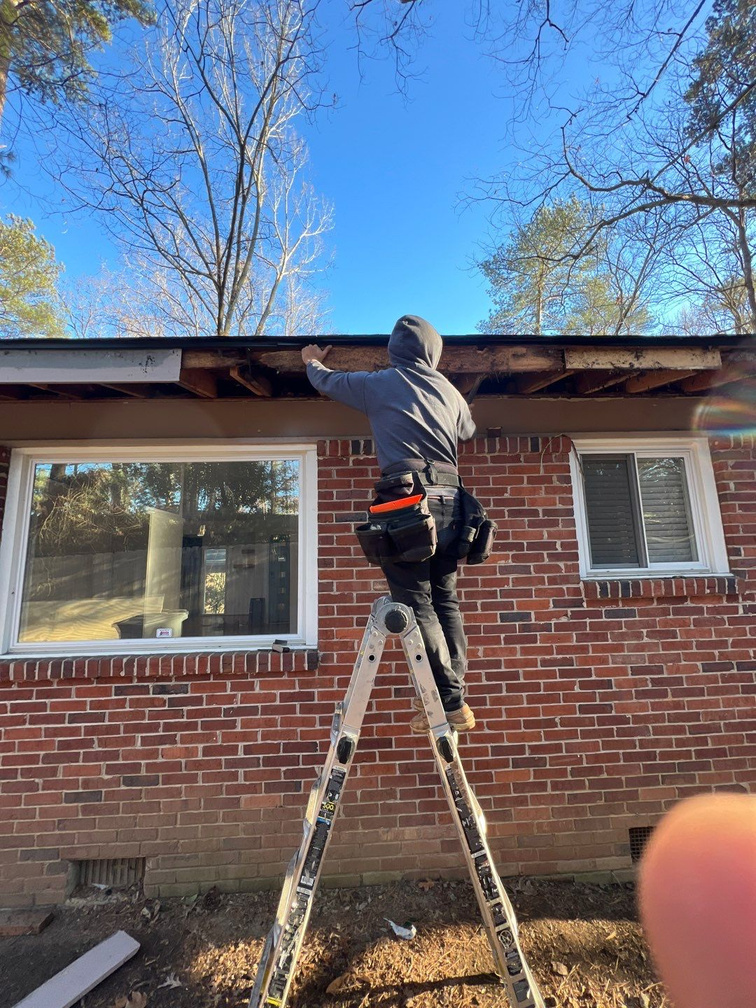
- Detailed Written EstimateClear, itemized pricing detailing full wood replacement, structural framing repairs, and leak prevention.
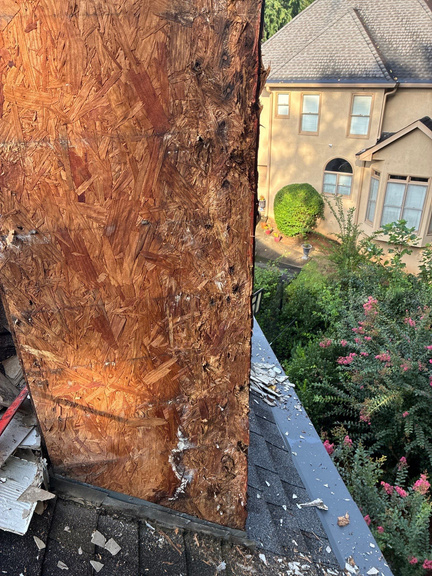
- Photo Proof & DocumentationHigh-resolution photos capturing soft spots, fungal rot, water tracking, and decaying wood sections.
- In-Person Expert ConsultationOur specialist assesses the full extent of the damage and recommends the best repair and waterproofing solution to keep your structure sound.
Protect your home's structure. Prevent costly wood rot damage.
Book My Free Inspection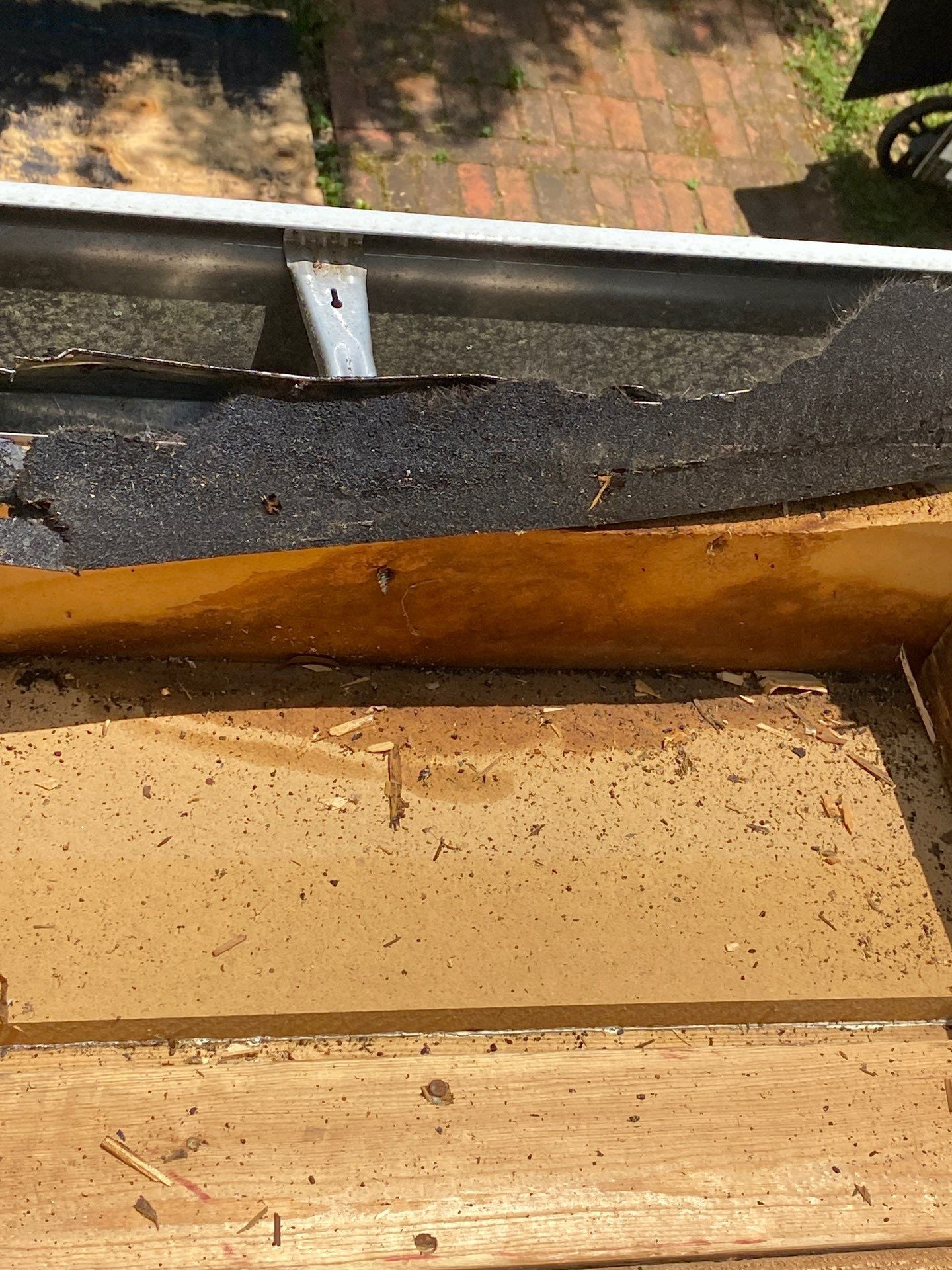
When You Don't Need a Full Wood Rot Repair
Not every dark spot on your fascia is rot. Sometimes it's just dirt, algae, or a little surface staining from pine needles sitting on the wood too long. If the wood is discolored but still hard when you press on it, you're probably looking at a cleaning issue, not a repair issue.
We get calls where someone saw a stain and assumed the worst. It's cosmetic, and we'll tell you that straight, even if it means a shorter conversation than they expected.
- Press a screwdriver or your thumb into the suspect spot. Firm and solid means no rot, or at least nothing advanced yet
- Look for peeling paint with no soft wood underneath. That's usually weathering, not decay
- Small surface cracks on trim that don't flex or crumble often just need a scrape and repaint
- Mold or mildew on the surface without spongy wood is a cleaning job, not a structural one
Don't panic over every stain you spot from the ground. But don't ignore soft, spongy, or crumbling wood either. Those two things are not the same problem, and treating them the same way wastes your time and money either direction.
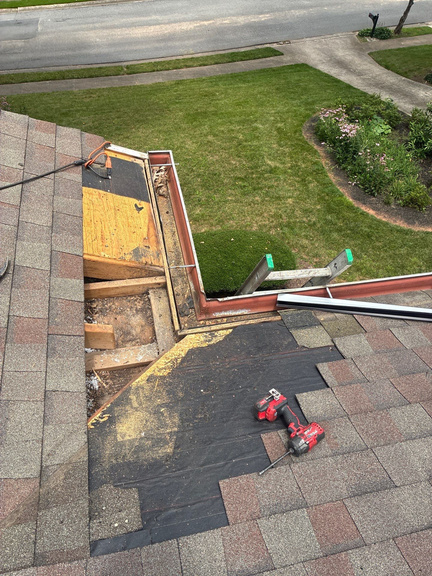
Inside a wood rot inspection and repair
Here's the thing about wood rot. It's never really about the wood. It's about whatever let water get to that wood in the first place. So before we touch a single board, we're looking upstream, at the flashing, the gutters, the roof decking above it.
- We inspect the roof edge, decking, soffit, fascia, and exterior trim for soft spots, staining, and give
- We check pipe boots and flashing nearby, since a failed seal is the most common water entry point we find
- We probe with a screwdriver or awl to find the true edges of the damage, not just what's visible
- We remove and replace the rotted sections only, matching board profile so trim lines stay clean
- We seal and flash the repaired area properly before closing it back up
- We document everything with photos, before and after, for your records and any insurance conversation
That documentation matters more than people think. If a portion of your roof decking underneath is also compromised, you want that written down, not discovered later during a bigger project.
Fix the rot and skip the cause, and you'll be back here in two years. Many older homes still have original wood soffits and fascia boards going back decades, never built to handle today's storm patterns.
Thinking about wood rot repair?
Let's talk. We trace the moisture source first, then fix only what's actually damaged.
Book My Free InspectionHow Wood Rot Repair Costs Are Determined
Every wood rot job gets priced by three things: how much wood is bad, how hard it is to reach, and what's involved to fix it right.
A small patch of fascia near the gutter line costs less than a section of decking that's been soft for months. Rot near a chimney or valley usually means removing flashing first, then replacing the wood, then reinstalling flashing correctly. More steps mean more labor time.
Access matters too. A two-story home on a sloped lot takes longer to set up ladders and staging for than a single-story ranch. If the rot is hiding behind siding or trim, we can't always see the full scope until we open it up.
- Size of the damaged area, not just the visible surface
- Type of wood component, fascia and trim differ from structural decking
- Whether flashing, pipe boots, or siding need removal first
- Roof height and pitch, which affects labor and safety setup
- Whether the cause has been fixed, so the repair doesn't fail again
Nobody can give you an accurate number over the phone. Rot spreads under the surface, so what looks like a foot of damage can turn into three once we pull the board off. We offer free estimates for repairs and replacements, so getting that real number costs you nothing.
Common questions about wood rot repair
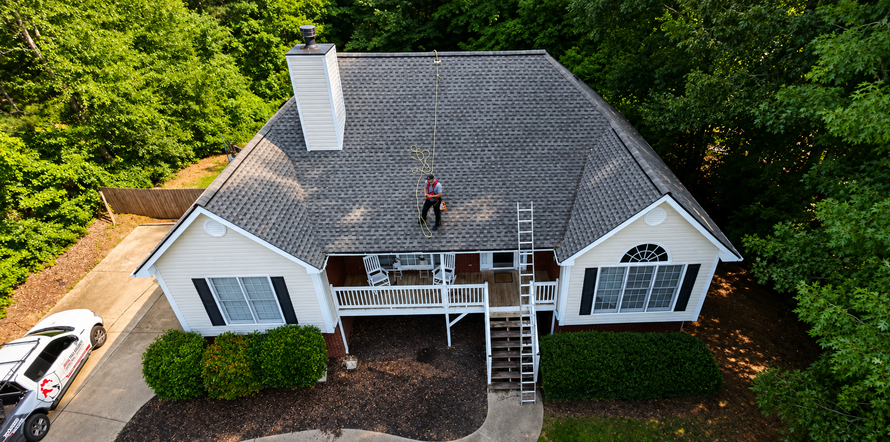
How quickly can you inspect my home for wood rot?
What happens when you come out to inspect wood rot?
Why does wood rot keep coming back?
How do I tell if it's rot or just a stain?
Are older homes more likely to have wood rot?
What does a full wood rot repair involve?

Metro Atlanta's trusted roofing team. Roof replacement, repair, storm damage restoration and inspections across Cobb County, North Fulton, Atlanta and DeKalb, done right the first time.
© 2026 Shelter Guard Roofing. All Rights Reserved.