
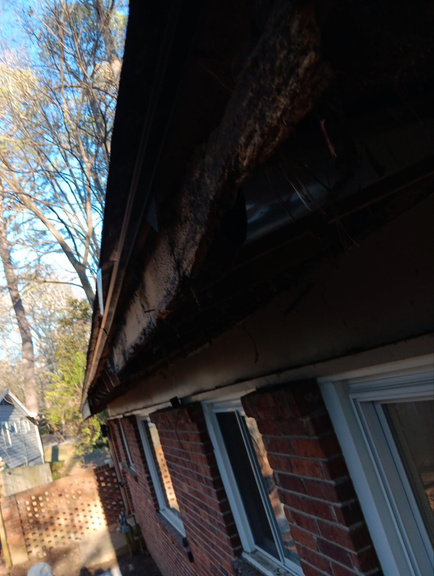
Fascia Repair in Marietta: Stop Roof-Edge Rot Before It Spreads
Roofing Done Right the First Time.
We run the press test before we recommend anything, so you only pay for what your fascia actually needs.
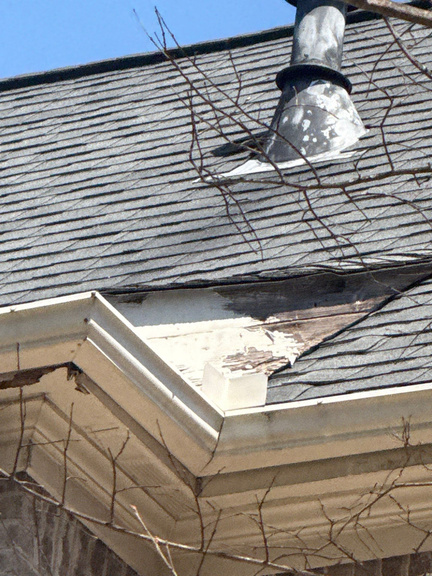
Signs Your Fascia Board Needs Repair
Fascia damage usually shows up as peeling paint, sagging gutters, or soft spots. Catching it early keeps water away from your roof deck and siding. If you spot more than one of these signs, get a closer look before the next storm.
Fascia sits right behind your gutters. It holds them in place and closes off the edge of your roof. When it fails, you usually see it before you feel it in your wallet. Clogged gutters sitting against fascia for weeks is one of the fastest ways to rot that board.
- Paint that's peeling, bubbling, or flaking along the roofline
- Gutters pulling away from the house or sagging in the middle
- Soft, spongy wood you can press a thumb into
- Dark streaking or water stains under the roof edge
- Small holes or crumbling wood, often a sign of pests or long-term moisture
- Visible gaps between the fascia board and the roof deck
The gutters often show problems first. A homeowner calls us because their gutter is loose after a storm. Once we get up there, the fascia underneath is already soft. If you can wiggle a gutter bracket by hand, that's usually your answer.
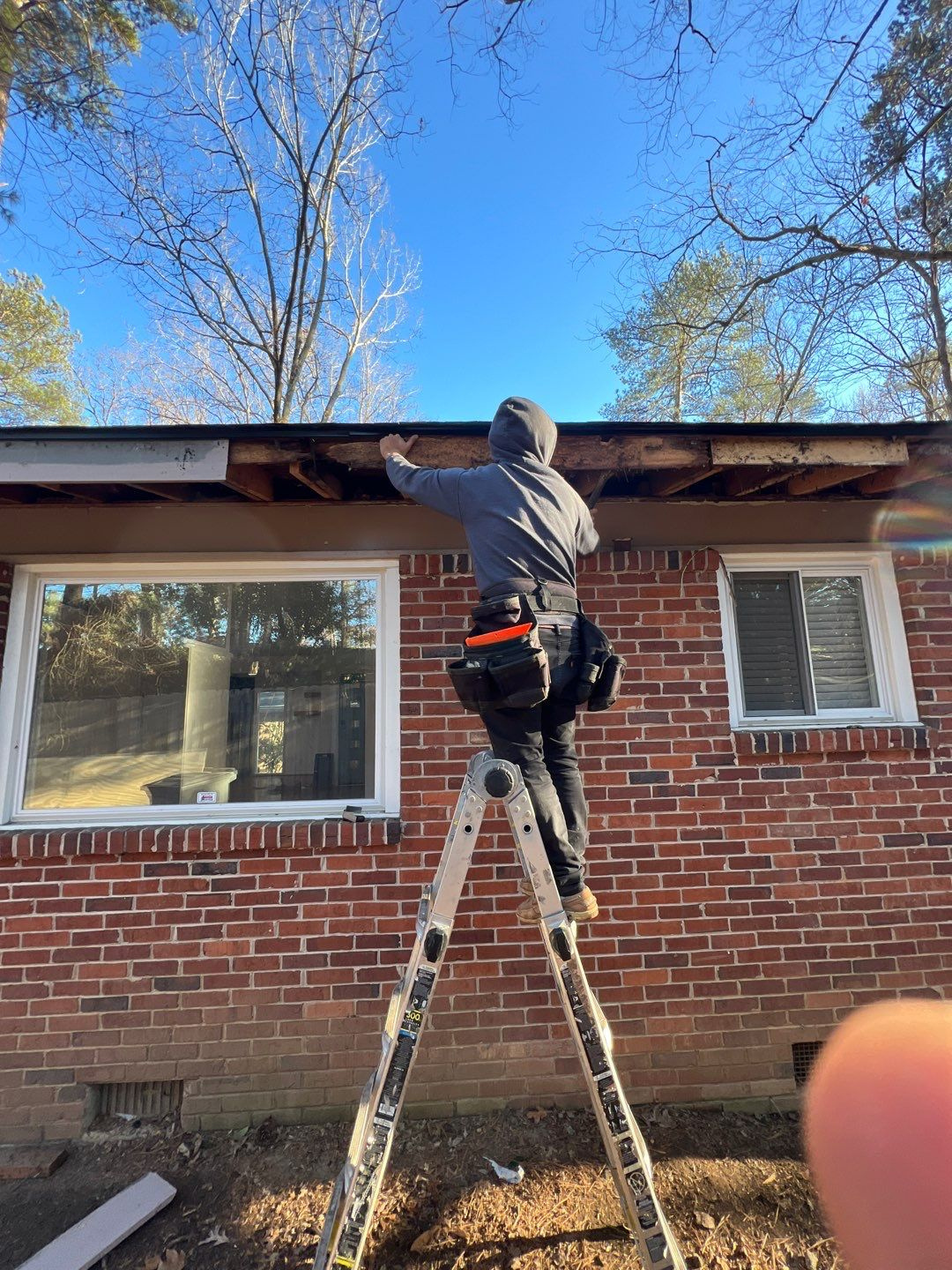
The Press Test: When Fascia Damage Can Wait
Before you assume every stained or peeling board on your roofline means an expensive repair, there's a simple test contractors use: the press test. Take a flathead screwdriver, an awl, or even your thumb. Firmly press into the fascia board, especially near seams, corners, and anywhere you see paint bubbling or dark streaking. Sound wood pushes back. Rotten wood gives way with little pressure, sometimes crumbling.
This distinction matters because not every discolored board needs replacement. Georgia's humidity and pollen season leave a lot of surface staining on fascia. It looks alarming but is cosmetic. Peeling or cracking paint on a board that passes the press test is a maintenance item, not a repair emergency.
- Firm resistance to thumb or screwdriver pressure means the wood core is intact
- Paint that flakes off in dry chips, without soft wood underneath, points to a coating issue only
- Spongy give, crumbling texture, or a screwdriver sinking in easily signals rot that needs replacement
- Dark streaking below gutter seams often indicates a past leak that may or may not have compromised the board yet
- Soft spots near end joints or behind gutter brackets are common early rot locations worth checking first
We walk homeowners through this test on purpose, even when it means telling them their fascia doesn't need replacing yet. Fascia problems are rarely isolated. A soft board is often a symptom of a bigger issue at the roof edge, whether that's failed drip edge flashing, a gutter pitched wrong and holding water, or attic ventilation pushing moisture out where it condenses against the wood.
Protect your roofline
Fascia boards protect your roofline and home from water damage, rot, and pest intrusion. Cracked, rotting, or damaged fascia can allow moisture to seep into your soffits and attic, leading to severe structural damage and costly repairs. Protect your home with our 30-Point Roof Inspection.
- Detailed Written EstimateClear, upfront pricing with no hidden surprises.
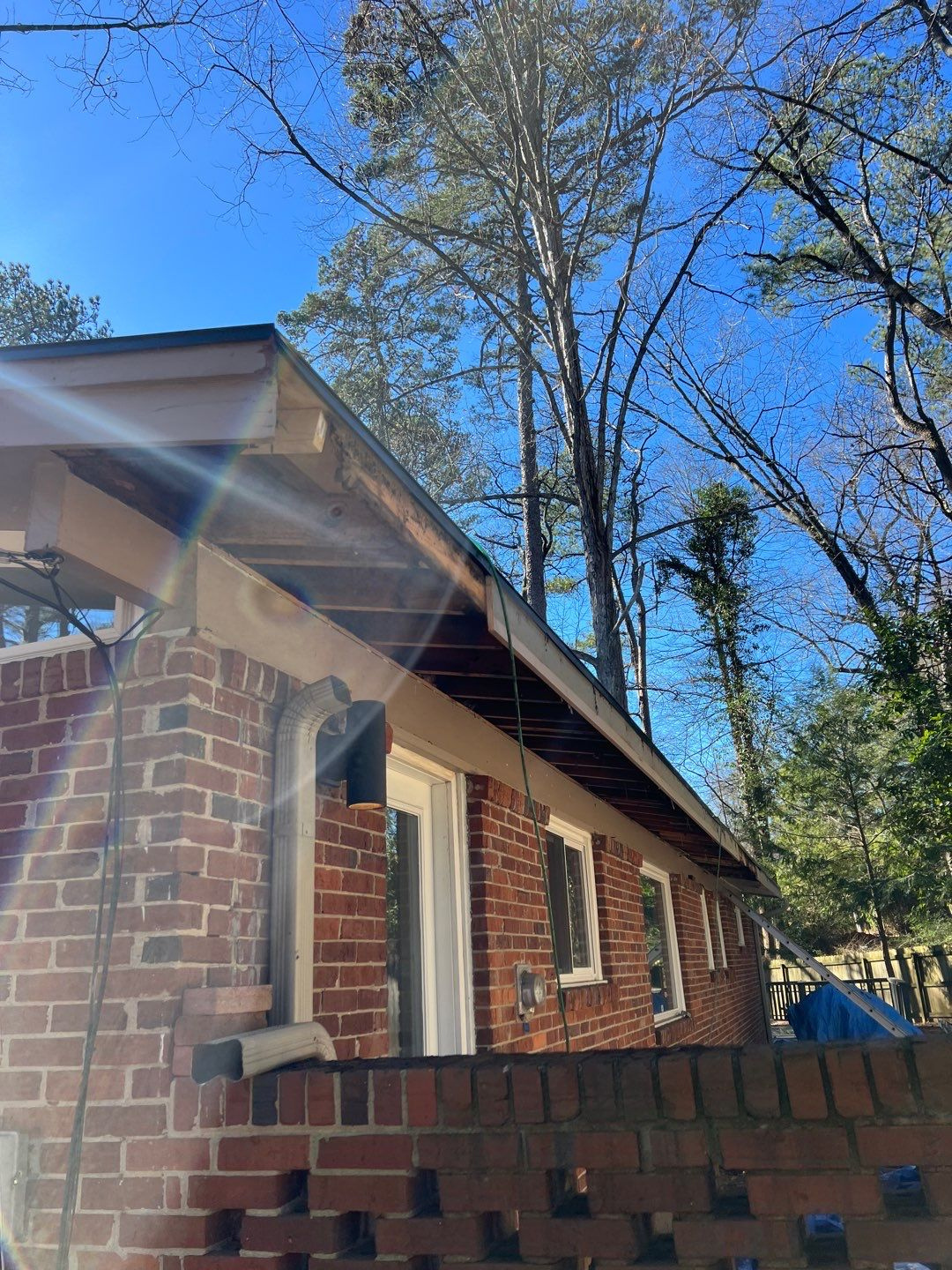
- Photo Proof & DocumentationHigh-resolution photos detailing the exact condition of your fascia boards and roofline.
- In-Person Expert ConsultationOur specialist walks you through the findings and recommends the best repair or replacement solution for your home.
Protect your roofline. Prevent costly water damage.
Book My Free InspectionWhat Drives Fascia Repair Costs
Fascia repair pricing isn't one flat number. It depends on what's happening behind that board, not just how many feet of it you can see from the driveway.
A short section with surface rot is a different job than a stretch that's soft, swollen, and pulling away from the roofline. The second one usually means the crew is dealing with hidden water damage, and that changes labor time.
- Board material, wood fascia costs differently to repair than aluminum-wrapped fascia
- How much wood rot is found once the old board comes off
- Length and location of the damaged run, gable ends often take more time than flat runs
- Whether the soffit above it also needs repair or replacement
- Access, two-story sections and steep pitches take longer to work safely
Clogged gutters trap moisture against the board for months. That hidden moisture is often worse than what you can see from the ground. Before you hire anyone for fascia repair, ask them how they price the job, and what happens if they find more rot once the old board is off.
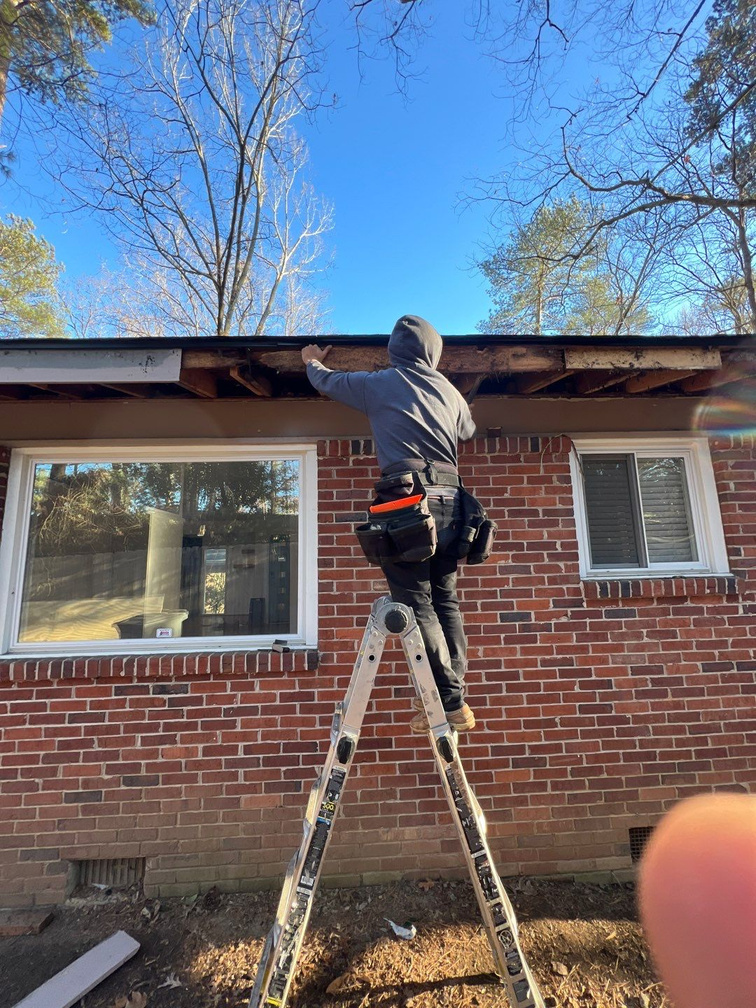
Thinking about fascia repair?
Let's talk. We run the press test before we recommend anything.
Book My Free Inspection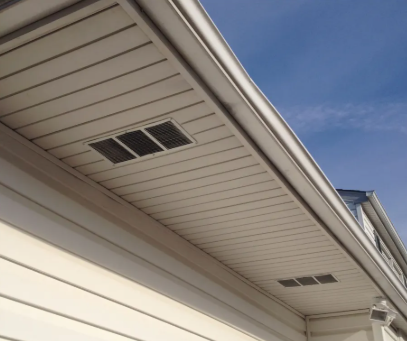
How Fascia Repair Connects to Your Roof and Gutters
Fascia is the horizontal board that runs along the lower edge of your roofline. It does two jobs at once: it seals the gap between the roof deck and the outside air, and it provides a solid surface for your gutters to attach to.
- Flashing check: confirming drip edge and step flashing are directing water into the gutter, not behind the fascia board
- Gutter assessment: inspecting hangers, slope, and debris buildup that can cause overflow and standing water against the trim
- Pest and rot scan: probing for soft spots, exit holes, or frass that may signal carpenter bee or termite activity
- Material upgrade: replacing failing wood fascia with rot-resistant PVC or composite board
- Roof deck review: verifying the plywood or OSB beneath the shingles has not been compromised by long-term leaks
In our experience inspecting roofs across Georgia, fascia damage is rarely the root cause. It's almost always a symptom of something happening above or around it, whether that's cracked drip-edge flashing, clogged gutters, or pests exploiting soft wood.
Replacing a rotten board without addressing the underlying moisture source usually means paying for the same repair again in a year or two.
Common questions about fascia repair
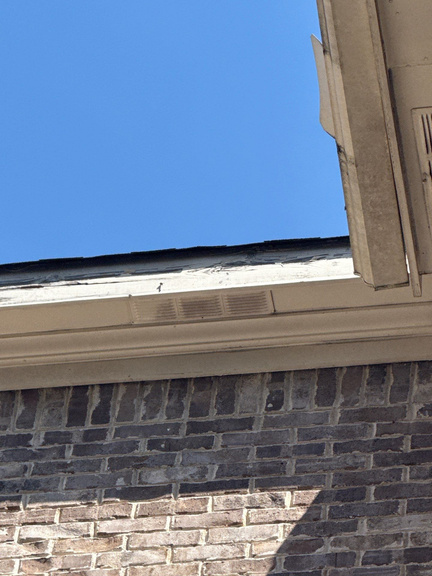
How do I know if my fascia needs repair or just a new coat of paint?
How fast can you get to my home for a fascia problem?
What happens when a contractor inspects my fascia?
Why does fascia rot show up so often in older homes?
Can rotted fascia cause problems when I sell my home?
Does weather make fascia damage worse?

Metro Atlanta's trusted roofing team. Roof replacement, repair, storm damage restoration and inspections across Cobb County, North Fulton, Atlanta and DeKalb, done right the first time.
© 2026 Shelter Guard Roofing. All Rights Reserved.