
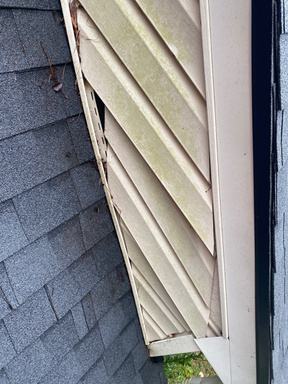
Siding Repair in Marietta: Repair First, Replace Only When Needed
Roofing Done Right the First Time.
We check the sheathing underneath before we talk about replacing anything. A repair that holds up beats a replacement you didn't need.
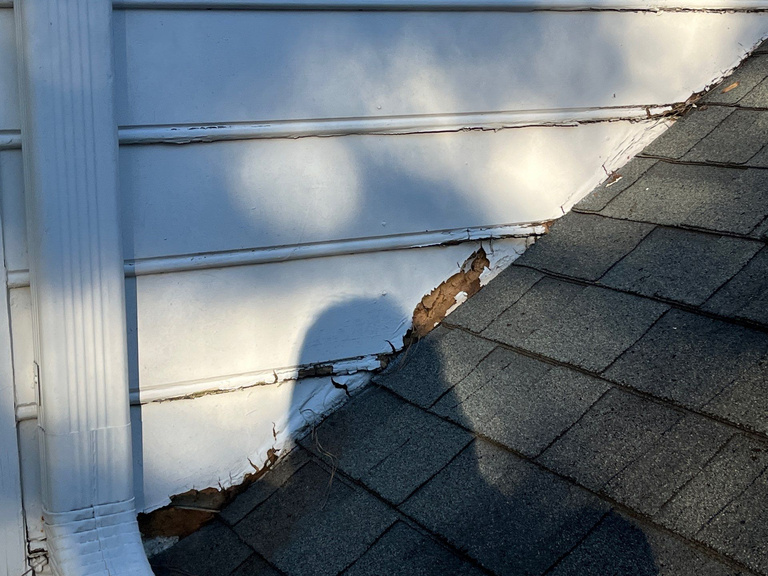
Signs Your Siding Needs Professional Repair
Warped panels, soft spots, and peeling paint near trim are clear signs your siding needs a professional look. High summer humidity and sudden severe storms speed up wood rot and moisture damage, so small issues rarely stay small for long.
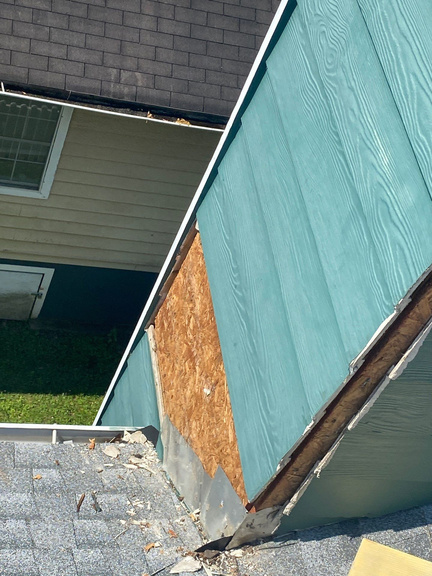
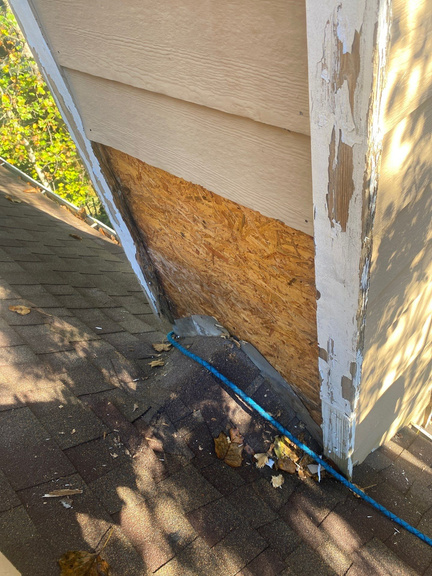
Someone notices a panel that looks a little off, then they touch it and it feels soft. That soft spot is usually water damage working from the inside out. Water gets behind a panel, sits there, and by the time you see staining or bubbling paint, the wood underneath has already started to rot.
- Warped, buckled, or bowed panels, especially on the side of the house that gets the most sun
- Soft or spongy spots when you press on the siding near the bottom edge
- Cracked or missing pieces after a storm blows through
- Peeling or bubbling paint around trim and window frames
- Mold, mildew, or dark streaking that keeps coming back no matter how many times you clean it
It's moisture behind the panel, not the panel itself. We check the exterior trim and the wood underneath before we ever talk about replacing anything. Catch it early and it's a repair. Wait too long and it turns into a bigger job.
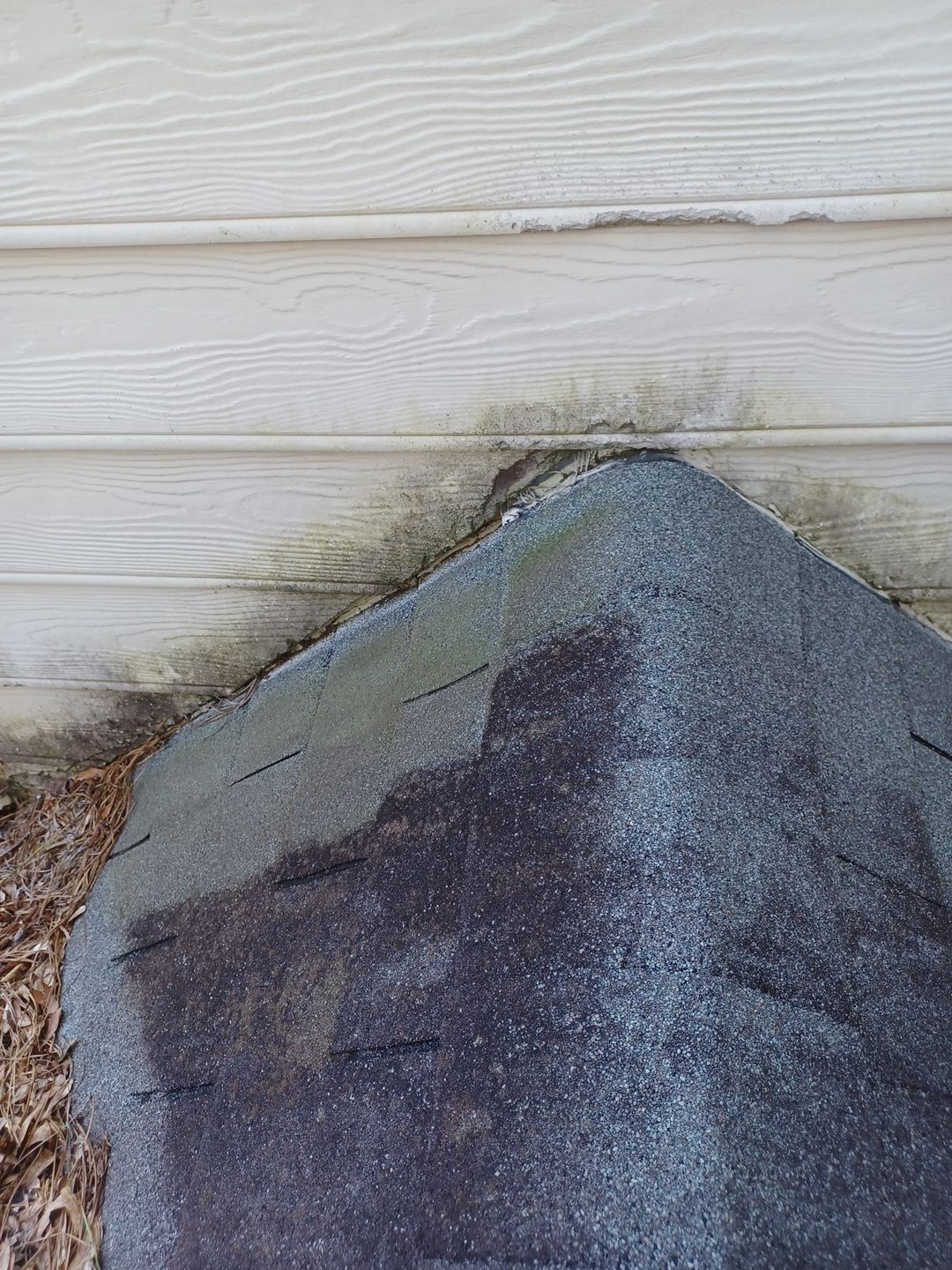
Repair or Full Replacement: How the Decision Gets Made
Here's the honest answer: it depends on what's underneath. Damaged siding on the surface doesn't always mean damage underneath, and sometimes small cracks hide a much bigger problem in the wall behind it.
Scope
How much of the siding is affected, one panel or the whole wall.
Structural integrity
Whether wood rot repair is needed behind the siding, since rotted sheathing changes the whole scope.
Age and history
How old the siding is and whether it's failing in more spots than the one you called about.
- A few cracked or warped panels on one side of the house, usually a repair
- Soft spots, bubbling, or a musty smell near the siding, often points to rot behind it
- Siding pulling away from the exterior trim in multiple spots, usually a sign of wider failure
- Repeated repairs in the same area over a few years, a good reason for replacement
Most homeowners can't tell from the ground. We climb up, pull a panel if needed, and check the sheathing before we tell you anything. We won't push a full replacement if a repair will genuinely hold up, and we won't patch something that's going to fail again in six months either.
Protect your home's exterior
Damaged siding can allow moisture and pests into your home while affecting its appearance. Protect your home and prevent costly damage with our 30-Point Roof & Exterior Inspection.
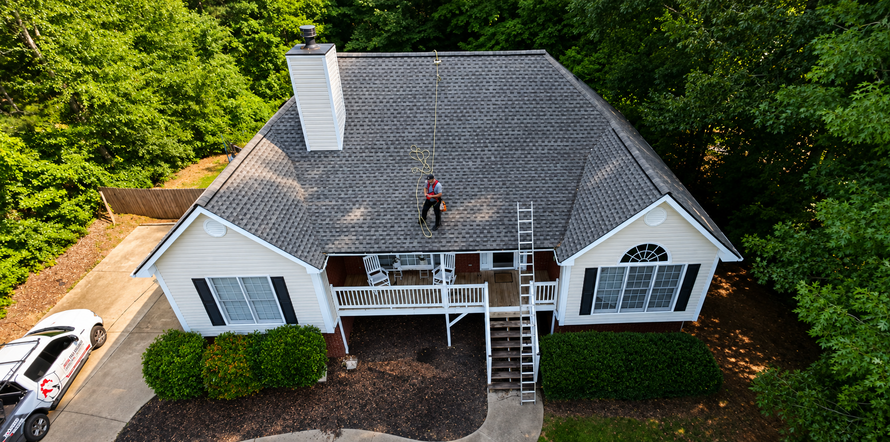
- Detailed Written EstimateClear, itemized pricing for repair or replacement, no verbal ballpark figures.
- Photo Proof & DocumentationPhotos showing damaged, loose, or deteriorating siding.
- In-Person Expert ConsultationOur specialist explains the condition of your siding and recommends the best repair or replacement solution.
Protect your home and keep your exterior looking its best.
Book My Free Inspection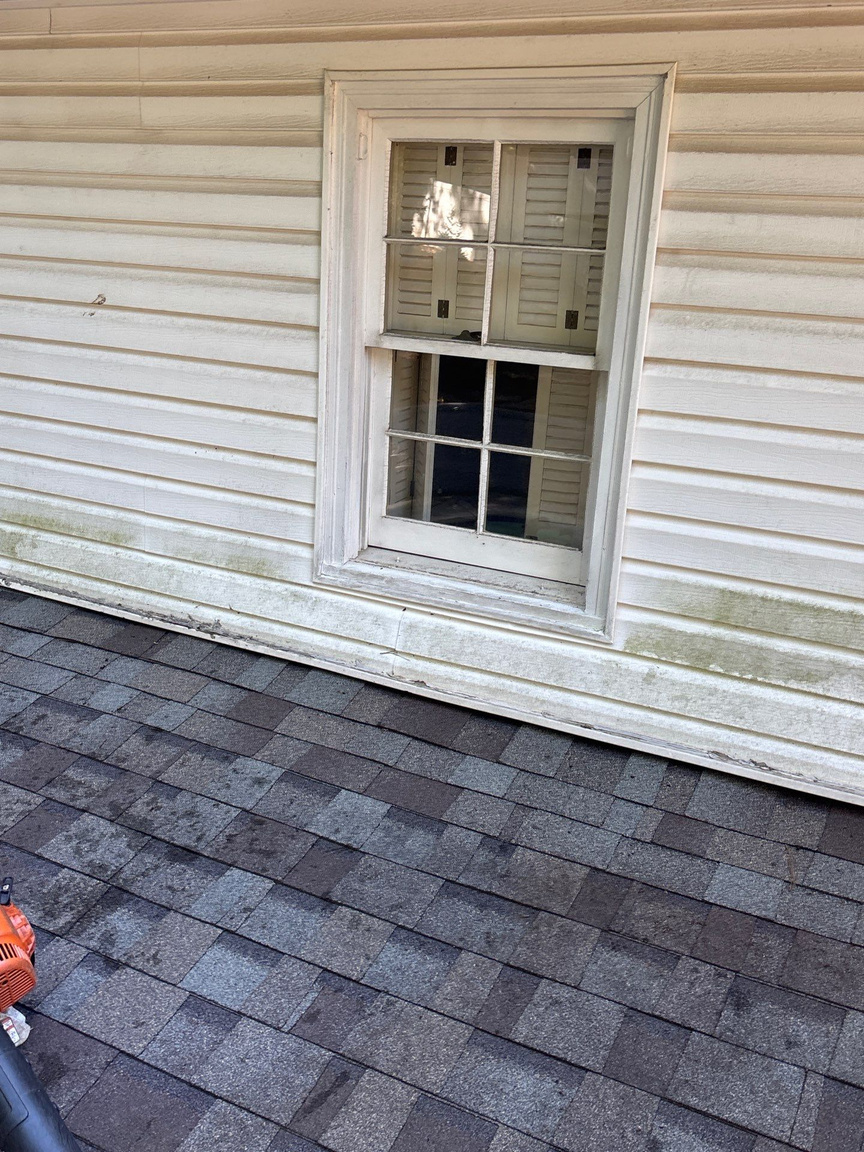
When Siding Damage Does Not Require Replacement
Not every flaw on your siding signals a costly replacement job. Many issues homeowners notice are surface-level and can be corrected with minor repairs or routine maintenance. Understanding the difference between cosmetic wear and genuine structural failure can save you thousands of dollars and stress.
A simple hands-on test can help you determine whether a damaged area is truly cosmetic or something that needs a closer look. Press firmly on the suspicious spot with your thumb or a blunt tool. If the material feels dry, firm, and resists pressure, it's very likely just surface-level damage. If the area feels soft, spongy, or gives way under light pressure, that's a sign moisture may have penetrated the siding.
- Small gaps in caulking around trim, windows, or seams, a normal part of aging, resealed in minutes
- Nail pops, where a fastener has backed out slightly, a quick fix
- Cosmetic fading from sun exposure, doesn't affect structural integrity
- Dirt, algae, or mildew staining, usually washes away with a gentle power washing
- Minor scuffs or scratches that haven't penetrated through the material
Cosmetic issues affect only the outermost layer and don't change how the material feels or performs. Structural issues affect the integrity of the panel or what lies behind it, and they tend to get worse with time and weather exposure.
What to Expect During a Siding Repair or Replacement Project
Most siding projects follow a predictable sequence, whether you own a classic single-family home or a newer construction build. Understanding each phase helps you plan around the work.
- Initial inspection: a technician walks the exterior, checks for soft spots with a probe or moisture meter, and photographs problem areas
- Written estimate: you receive an itemized quote covering materials, labor, disposal, and any known repairs
- Material ordering and color matching: for partial repairs, matching existing siding can take one to three weeks
- Removal: old siding comes off in sections so the crew can assess what's underneath before moving forward
- Sheathing check: exposed wood sheathing and house wrap are inspected for rot, water staining, or insect damage
- Installation: new siding, house wrap, and flashing go up per manufacturer specifications
- Final walkthrough: the crew reviews the finished work with you, checks caulking and trim lines, and addresses any punch-list items
Finding hidden rot or water damage after removal is a normal part of this process, not a sign of an upsell. High humidity and heavy seasonal rains mean moisture can work behind siding for years without visible signs on the surface. We show you the damage directly, explain repair options, and get your approval before doing extra work rather than just adding it to the invoice.
Thinking about siding repair?
Let's talk. We check what's behind the panel before we recommend anything.
Book My Free InspectionChecking for Hidden Rot Behind Siding
Many established neighborhoods feature older housing stock carrying original wood siding or first-generation vinyl products installed decades ago. These materials may be approaching or exceeding their practical service life, making moisture infiltration behind the surface far more common than most homeowners realize.
Rot rarely announces itself with obvious signs. A wall can look fine from the curb while the sheathing underneath has been absorbing water for years through cracked caulk joints, nail holes, or gaps where trim meets siding. By the time paint bubbles, panels warp, or a soft spot appears under light pressure, the damage has often spread well beyond the visible area.
- Press firmly on siding near the base of walls and under windows to feel for soft, spongy give
- Look for dark staining, peeling paint, or a musty smell near exterior walls
- Check soffit and fascia boards at the same time, since rot frequently travels from the roofline down into wall cavities
- Inspect areas around downspouts, hose bibs, and dryer vents where repeated water exposure accelerates decay
- Tap wood trim with a tool handle and listen for a hollow sound compared to solid surrounding wood
Addressing soffit, fascia, and wood rot together rather than piecemeal saves both time and money. These components share the same water pathways and are often damaged by the same underlying cause, such as a failed gutter or missing flashing.
Common questions about siding repair
How long does a siding repair take?
What happens when your technician arrives to look at my siding?
Why does siding damage happen without me noticing earlier?
How do I know if my siding needs a repair or a full replacement?
Can I fix small siding damage myself before calling someone?
Does the age of my siding matter if I'm only fixing one damaged spot?

Metro Atlanta's trusted roofing team. Roof replacement, repair, storm damage restoration and inspections across Cobb County, North Fulton, Atlanta and DeKalb, done right the first time.
© 2026 Shelter Guard Roofing. All Rights Reserved.