
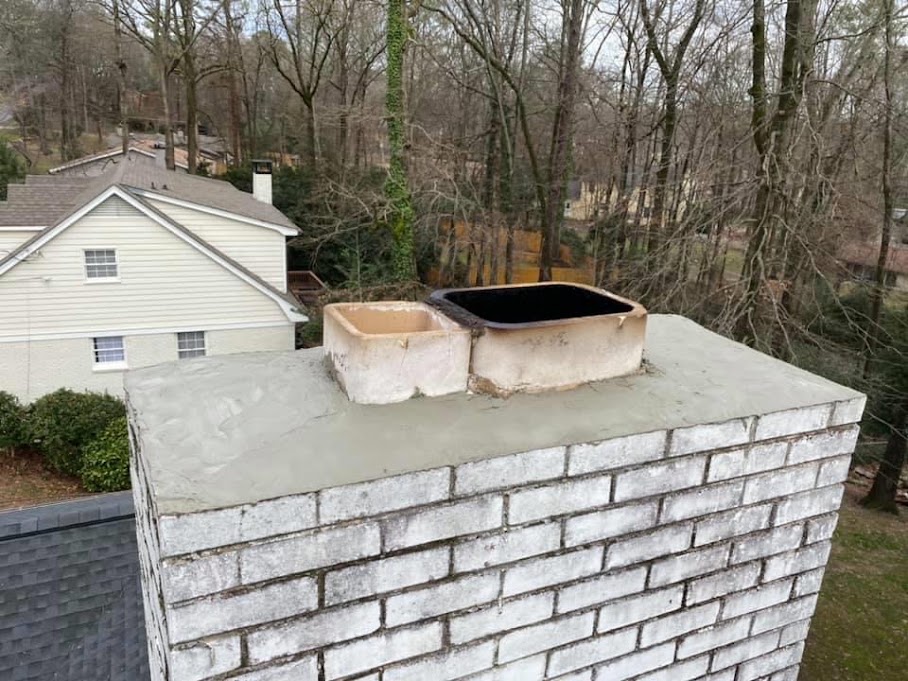
Cracked mortar caps? Here's what your chimney is telling you
Roofing done right the first time.
A cracked cap lets water sit on top of the chimney and work its way down. We get eyes on it and tell you whether it needs sealing or rebuilding.
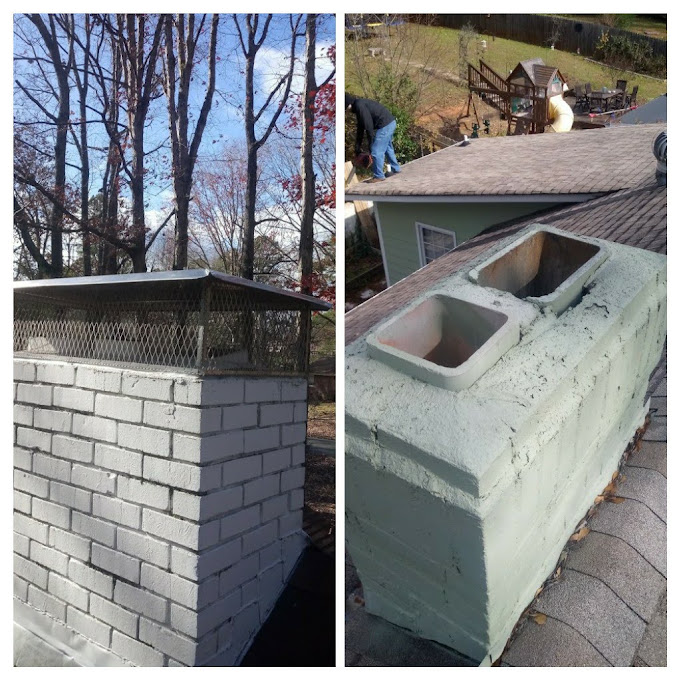
Mortar cap vs. chimney cap: ending the confusion
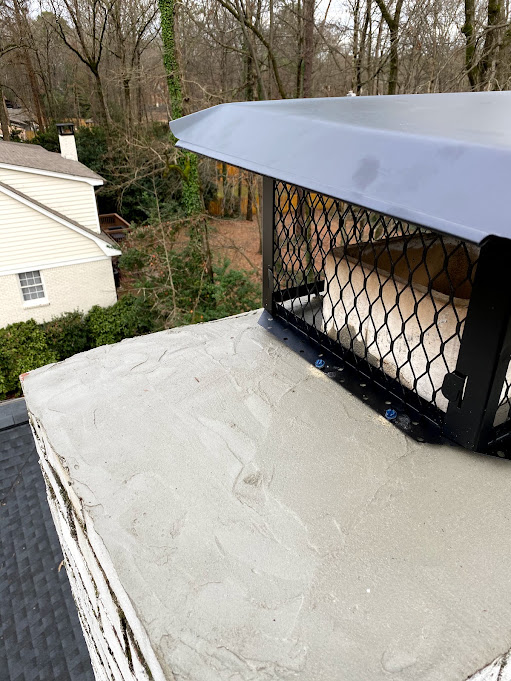
A mortar cap is the concrete or masonry crown sealing the top of your chimney. A chimney cap is the metal cover that keeps out rain and critters. Confusing the two leads to the wrong repair being scheduled. A cracked mortar cap left alone lets water into the chimney structure itself.
We get this call a lot: someone says their chimney cap is broken, but when we get up there, it's the mortar cap that's cracked. They're not the same thing. Mixing them up means you might pay for a repair that doesn't fix the actual problem.
The mortar cap is the solid slab on top of the chimney, the flat, sloped surface the flue pipe sticks through. A chimney cap sits above that. It's the metal piece with a screen or lid that stops rain, birds, and debris from getting inside the flue. One is masonry, the other is metal, and they fail for different reasons.
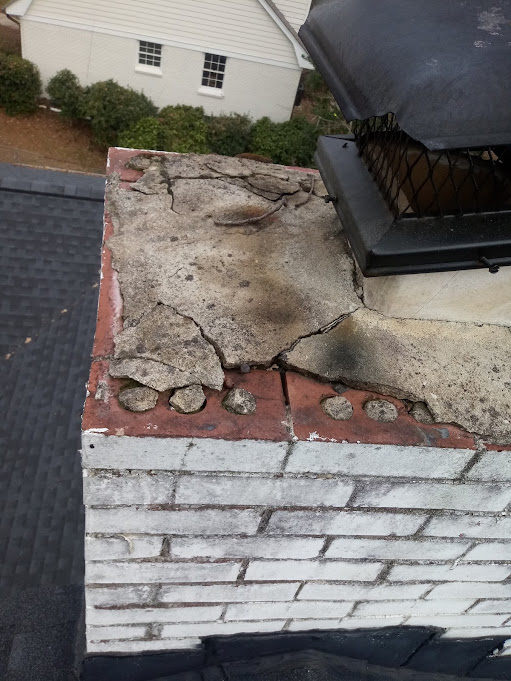
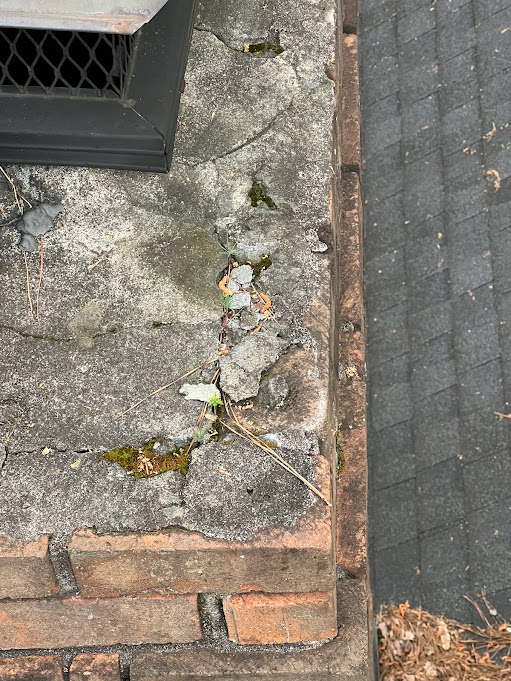
- Mortar cap problems: hairline cracks, crumbling edges, water pooling on top, or chunks missing near the flue
- Chimney cap problems: rusted mesh, a bent lid, a missing cap entirely, or animal damage
- Mortar cap failure: often shows up as water stains inside near the fireplace or in the attic
- Chimney cap failure: usually shows up as noise, pest entry, or draft issues
Here's the thing: you can have one without the other. A brand-new metal chimney cap won't do a thing for a mortar crown that's cracked and letting water soak into the brick below. That's a job for chimney chase caps or a proper mortar cap repair, not a metal cover swap.
Before you call, take a look from the ground. See rust and a bent metal piece? That's the chimney cap. See gray, cracked concrete on top with gaps? That's the mortar cap. Not sure which one you're looking at? That's one of the most common questions we answer on site visits.
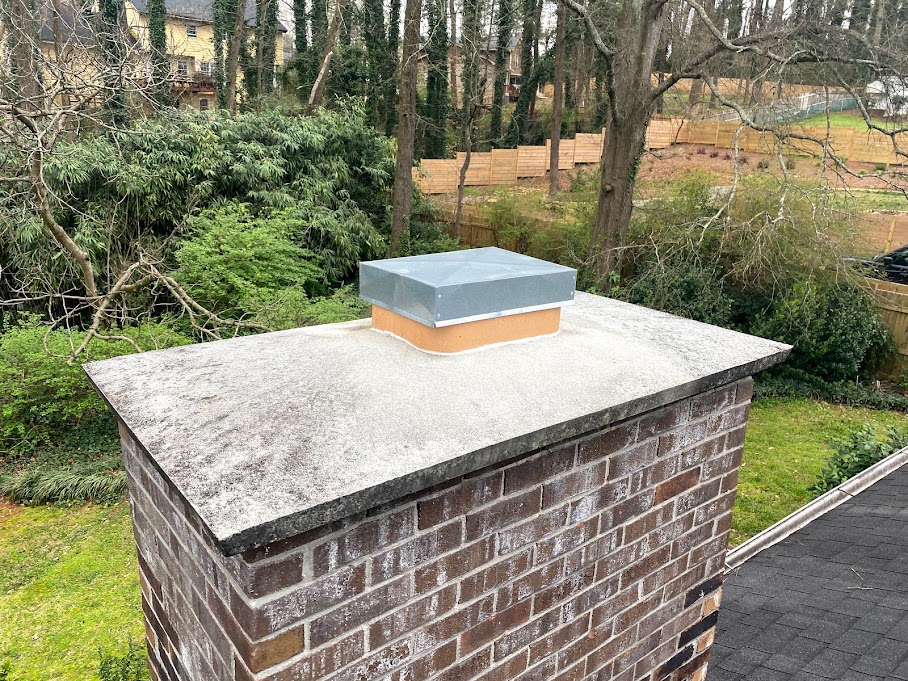
Freeze-thaw cracking in older masonry chimneys
Fluctuating temperatures can be sneaky on masonry. Water gets into a hairline crack on the mortar cap, a cold snap freezes it overnight, and the ice expands, pushing the crack a little wider. Do that dozens of times over a winter, and a solid cap turns into a crumbling one.
This shows up frequently on older homes built with traditional mortar mixes that don't hold up the way modern materials do. Thermal expansion in the heat followed by freezing temperatures means older mortar takes a beating year after year. When we get called out for a chimney leak, a failed mortar cap is often the root cause rather than the flashing.
- Visible cracks or chipped edges on the flat top of the chimney
- White chalky residue running down the brickwork (efflorescence)
- Loose or missing mortar chunks in the yard or on the roof below
- Water stains on the ceiling near where the chimney passes through the attic
Spotted any of these? It's not something to leave alone. A cracked cap lets water sit right on top of the chimney structure, where it works its way down into the flue and surrounding framing. That's how a small mortar problem turns into a rotted chimney chase over a couple of seasons.
Protect your chimney from water damage
Mortar caps protect your chimney from water damage and deterioration. Cracks or damaged mortar can allow moisture to penetrate and lead to costly repairs.
- Detailed written estimateItemized pricing before any work starts.
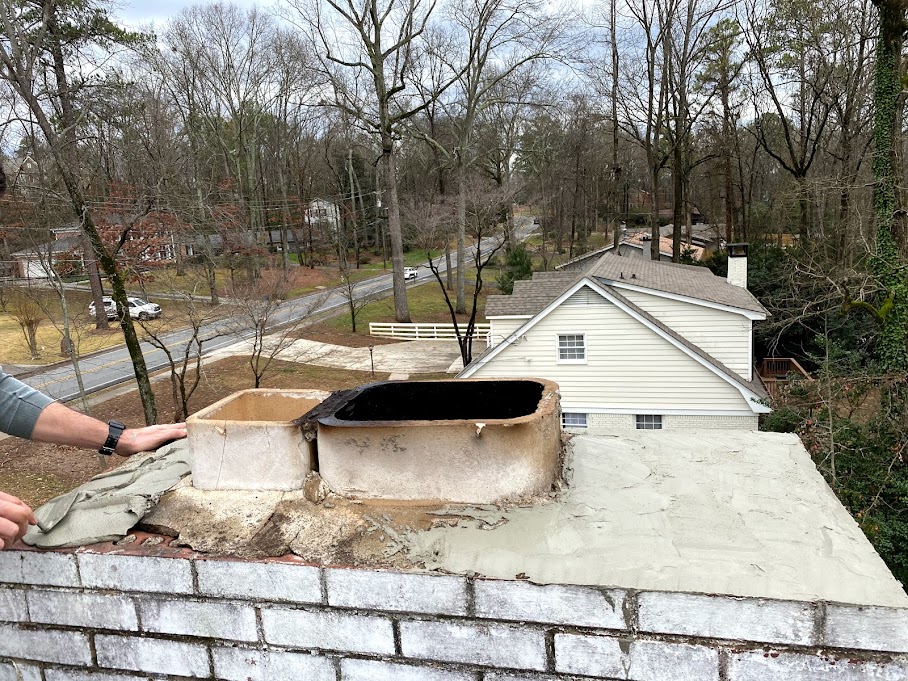
- Photo proof & documentationPhotos showing the current condition of your mortar cap.
- In-person expert consultationOur specialist explains the condition and recommends the best repair or replacement solution.
Protect your chimney. Prevent costly water damage.
Book My Free Inspection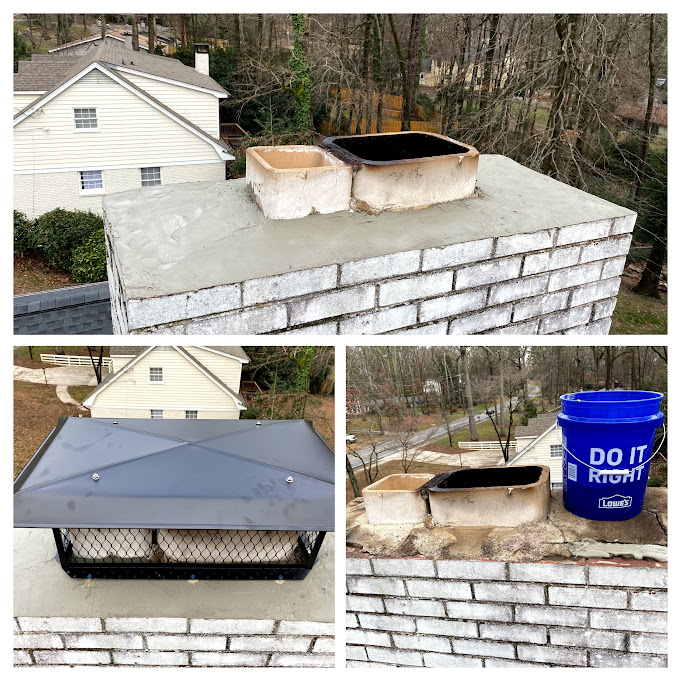
When you don't need a full mortar cap replacement
Not every chimney needs a brand-new mortar cap. A little surface hairline cracking on a mortar cap that is still sloped, solid, and shedding water is often just normal wear from temperature expansion and contraction.
If the crack is thin, shallow, and the cap still slopes away from the flue, you can usually get by with sealing it instead of replacing the whole thing. We see this every week on chimneys that are otherwise in fine shape.
How do you know it's minor? Look at the cap from the ground with binoculars, or check your attic near the chimney chase for water stains.
- Surface hairline cracks with no chunks missing and no separation from the flue
- No sagging or flat spots where water can pool instead of running off
- No rust staining or water marks on the attic decking near the chimney
- Proper pitch maintained so rain sheds away from the masonry
If your cap checks those boxes, a repair or sealant job is likely all you need right now. Full replacement makes sense when the cap is cracked all the way through, crumbling at the edges, or pulling away from the flue liner, allowing water underneath to damage the structure itself.
What happens during a mortar cap inspection and repair
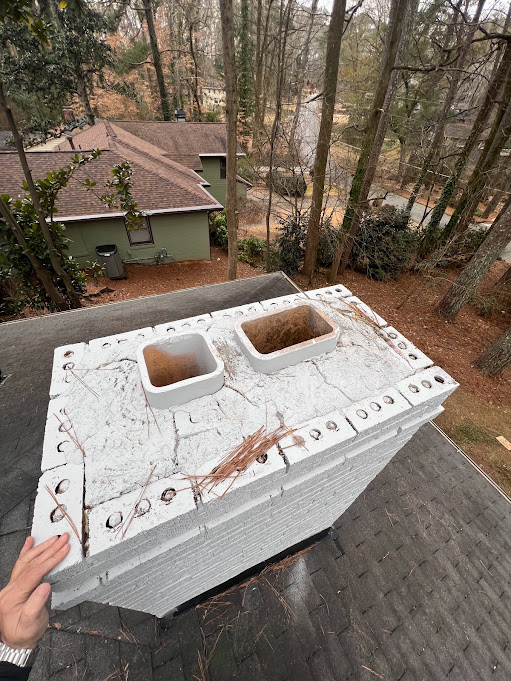
What does this look like once we're on your roof? We get up there, check the chimney chase cap or flue cap closely, and figure out what's really going on before anyone touches a tool.
- Full inspection: we inspect the mortar cap for cracks, gaps, and spots where the mortar has separated from the flue or chase pan.
- Internal check: we check for water staining inside the chimney chase and around nearby flashing.
- Integrity testing: we test how solid the mortar is by hand, soft or crumbling mortar tells us the cap has been letting water in for a while.
- Repair or rebuild: if the cap can be repaired, we clean out damaged mortar and reseal it properly. If it's too far gone, we remove it and rebuild the cap so it sheds water properly.
- Photo documentation: we photograph the before and after so you have clear documentation of what we found and completed.
Often, damage is worse underneath than what can be seen from the ground. A hairline crack on top can mean a soaked chase pan below, where moisture travels into attic framing and causes ceiling stains before anyone notices a leak.
Every mortar cap job gets a written scope before we start so you know exactly what's being repaired and why, with no surprise add-ons.
Common questions about mortar caps
How do I know if I have a cracked mortar cap or a broken chimney cap?
How fast can someone come look at my chimney?
What happens when someone comes out to check my mortar cap?
Why do older homes have so many mortar cap problems?
Do I always need a full mortar cap replacement, or can it just be sealed?
What happens if I ignore a cracked mortar cap?
Ready to get started?
Get eyes on your chimney top before the next hard rain. We'll tell you whether it needs sealing or a rebuild, in writing, before we pick up a tool.
Get My Free Inspection
Metro Atlanta's trusted roofing team. Roof replacement, repair, storm damage restoration and inspections across Cobb County, North Fulton, Atlanta and DeKalb, done right the first time.
© 2026 Shelter Guard Roofing. All Rights Reserved.