
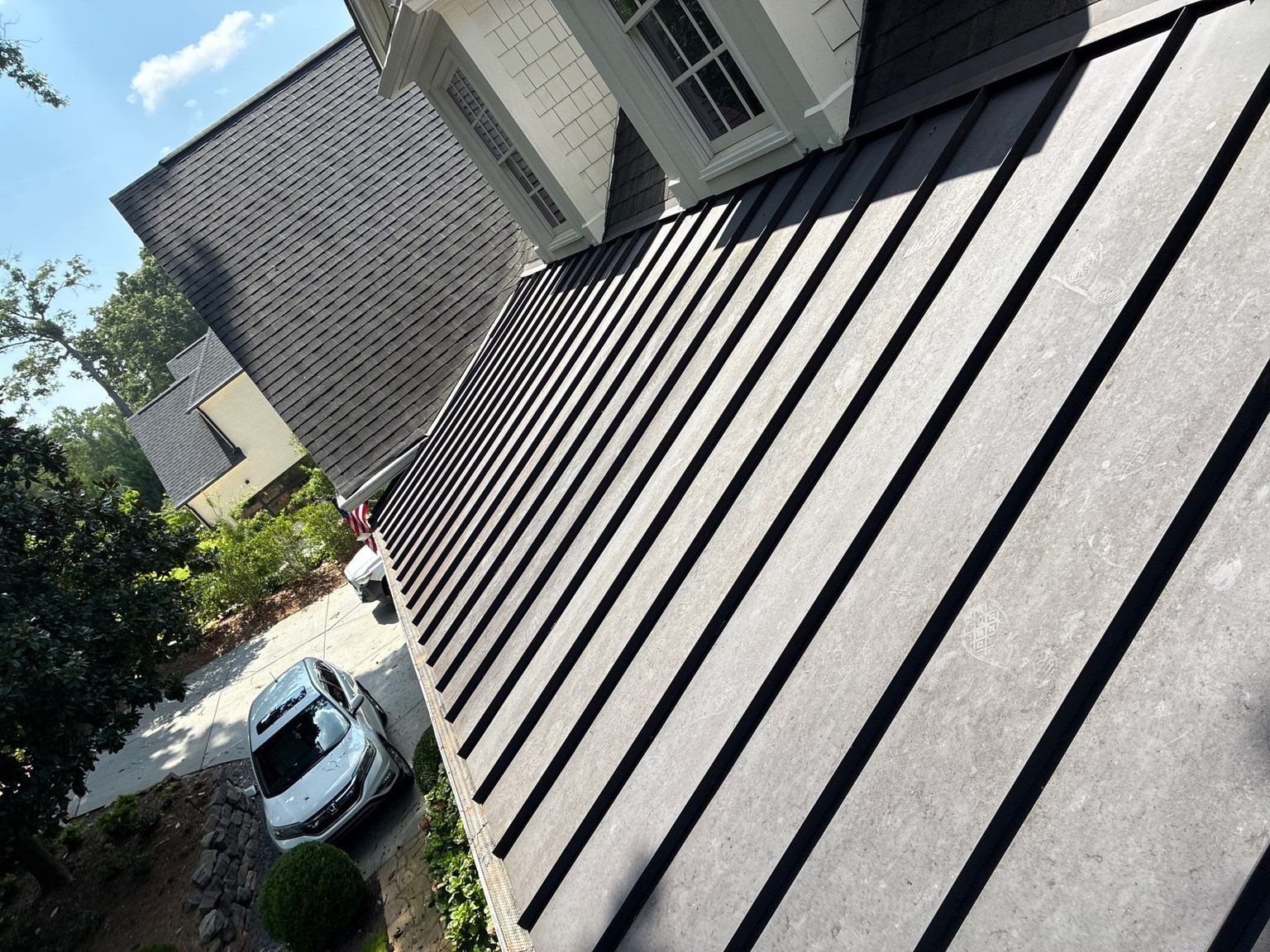
Is metal roofing right for your home?
Roofing done right the first time.
Here's how to know. We inspect first and tell you what your roof actually needs, before anyone writes a quote.
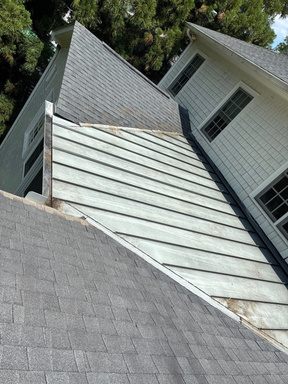
Signs your home needs a metal roof
Curling shingles, granule loss, storm damage, rising cooling bills, and visible decking all signal a roof is nearing the end of its life. Homes range from century-old craftsman bungalows to newer subdivision builds, and the right diagnosis depends on your specific roof. A hands-on inspection is the only reliable way to know if metal roofing is the right next step.
Asphalt shingles often show their age before a leak appears indoors. Humidity, summer heat, and sudden thunderstorms can speed up that aging process. Curling or cupping shingle edges, bald spots where granules have washed away, and dark streaking show that the shingle layer is drying out. It loses its ability to shed water. Homeowners in older neighborhoods often see these symptoms first at roof valleys and around chimneys.
Georgia's storm season brings hail, high winds, and falling limbs. These can bruise or crack shingles. This damage is not always visible from the ground. After any significant storm, check gutters for granule buildup. Look in the yard for shingle fragments. Inspect exposed metal flashing for dents. Newer subdivisions often have builder-grade shingles. These roofs can be vulnerable to storm wear even if they look relatively young.
A less obvious but important sign is a rising cooling bill during long, hot summers. Aging shingle roofs absorb and radiate heat into the attic. This forces HVAC systems to work harder. Metal roofing reflects more solar radiant heat. Homeowners who notice energy costs climbing year over year may have a roof that has lost its reflective and protective qualities.
- Shingles that are curling, cupping, or visibly cracked
- Bald or shiny patches where protective granules have worn away
- Dents in flashing or gutters after hail or windstorms
- Cooling bills that climb noticeably during summer months
- Sagging rooflines or visible decking through gaps in shingles
- Dark streaks, moss growth, or persistent moisture in shaded areas
Housing styles can vary block to block. A quick glance from the street is not enough to confirm if metal roofing makes sense for a home. A full inspection that includes the attic, decking, flashing, and ventilation system gives a clearer picture. This shows whether repair, a shingle replacement, or a full metal upgrade is the right investment.
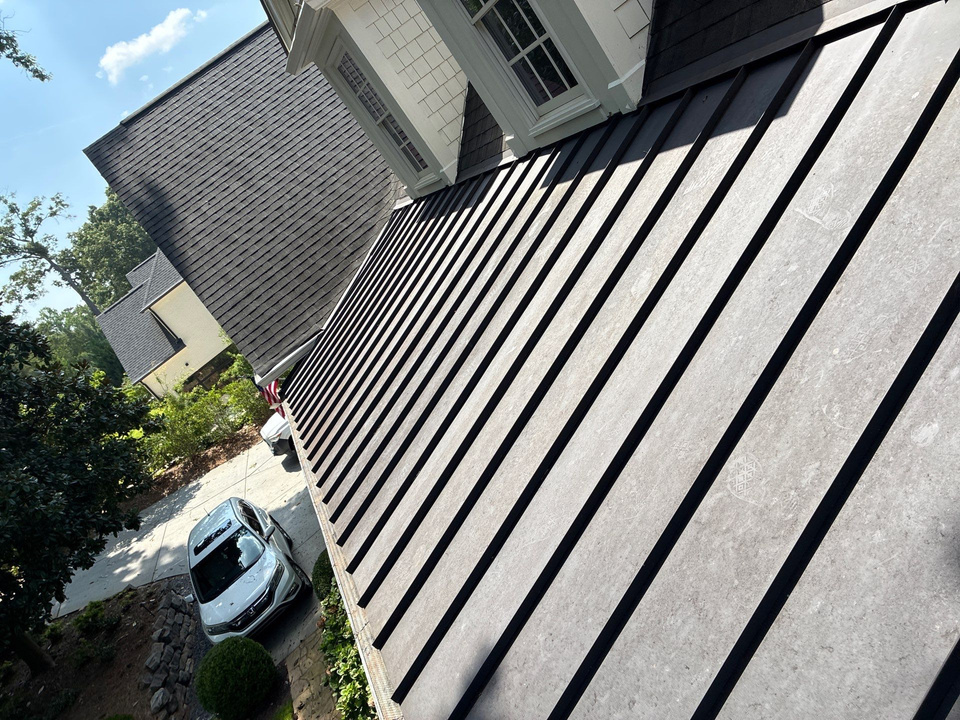
Choosing the right metal panel type
Not all metal roofing is the same. The panel type you choose affects curb appeal and how well your home holds up during a hot, humid summer. The three most common options are standing seam, corrugated, and screw-down (exposed fastener) panels. Each has advantages depending on your roof's pitch, architectural style, and budget.
Standing seam
Raised, interlocking seams that hide all fasteners. This gives a clean, modern look and superior water shedding for low-slope sections. These are common on ranch and contemporary homes.
Corrugated
A classic wavy profile, often seen on farmhouse-style homes, barns, and outbuildings. They are one of the more budget-friendly metal options.
Screw-down
The most economical choice. They attach with exposed fasteners through the panel face. These require periodic fastener inspection since gaskets can wear over time in heat and humidity.
Steeper roof pitches work well with any panel type. Lower-slope additions or porches often call for standing seam to prevent water intrusion.
Beyond panel style, metal gauge matters. Residential roofs typically use 24 to 29 gauge steel. Lower numbers mean thicker, more dent- and hail-resistant material. Homeowners in areas with spring storms often choose 24 or 26 gauge for added durability. 29 gauge can suit lower-budget projects on garages or sheds.
Finish selection is where performance meets climate. Hot-humid areas experience significant solar heat for much of the year. Choosing a reflective, ENERGY STAR-eligible finish can reduce attic temperatures and summer cooling costs. Many homeowners choose lighter colors like soft grays, warm whites, and light bronze tones. They avoid traditional dark charcoal or black finishes, which absorb more heat.
The right panel type balances three factors: your roof's pitch and drainage needs, your home's architectural character, and your priorities around cost, longevity, and energy efficiency. A qualified installer can assess these factors and recommend a panel and finish combination suited specifically to your climate and your home's design.
Keep your metal roof performing
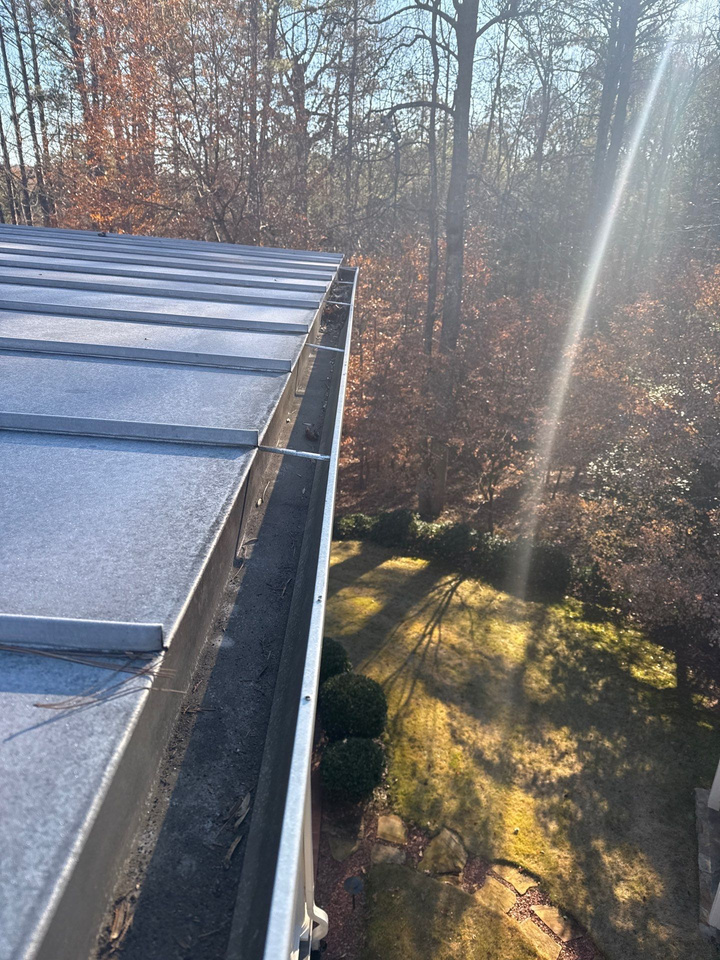
A metal roof provides exceptional long-term protection, but loose fasteners, backed-out screws, compromised seam seals, or flashing wear can still open the door to moisture. Unaddressed gaps allow water to seep beneath the panels, risking rust, wood rot, and expensive interior damage.
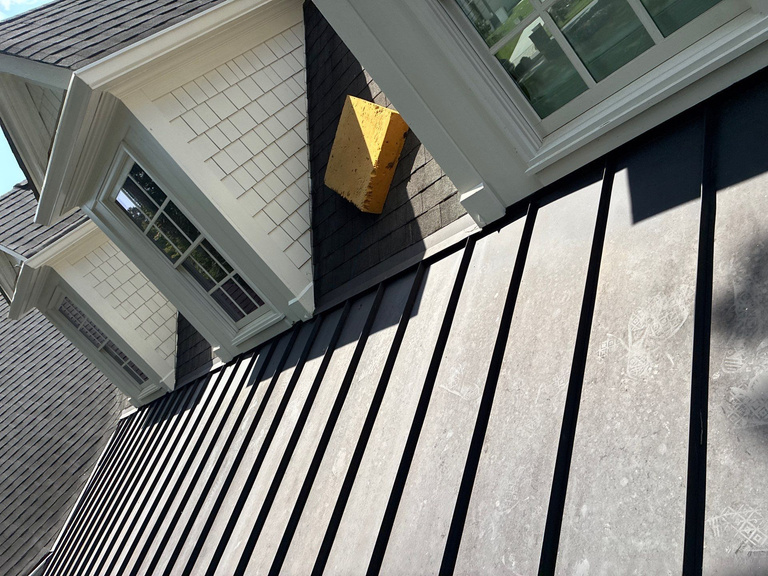
- Detailed written estimateClear, itemized pricing covering panel repairs, screw replacements, seam resealing, or full restoration.
- Photo proof & documentationHigh-resolution photos showing fastener health, seam integrity, flashing condition, and overall panel wear.
- In-person expert consultationOur specialist reviews the results with you and recommends the best repair, reseal, or maintenance solution.
Protect your metal roof. Prevent costly hidden water damage.
Book My Free Inspection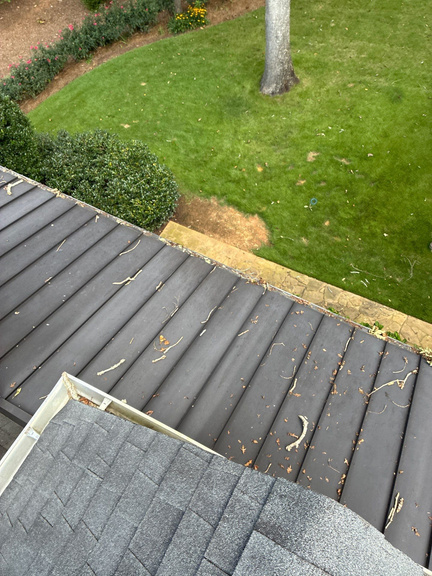
When metal roofing isn't the right call
Metal roofing isn't always the right answer for every house. We'll say that during a free inspection, not after we've written a quote. If you're planning to sell in the next year or two, a full metal roof replacement costs more upfront than asphalt shingles. That difference doesn't always come back to you at closing. It's worth thinking about your timeline first.
Some neighborhoods and HOAs have rules about roof material, color, or panel style. Check your covenants before you pick a standing seam look. If your asphalt shingle roof is only a few years old with no storm damage, metal isn't a repair option. It's a full tear-off. That's a big jump for a roof that still has good years left.
Roof deck condition matters too. We sometimes find soft, rotted decking under old shingles, and the homeowner had no idea it was there.
- You're selling soon and won't recover the upfront cost difference
- Your HOA restricts panel type, seam style, or roof color
- Your current shingle roof has years of life left with no leaks or storm damage
- You need one quick pipe boot or flashing fix, not a full roof decision
- Your roof deck needs repair first, before any material choice makes sense
If any of that sounds like your house, a metal roof might be the wrong move right now, or just the wrong move first. Fix the deck, wait out the timeline, check the covenant, whatever applies. We'd rather tell you that on day one than sell you something you don't need.
Thinking about metal roofing?
Let's talk. We'll look at the roof, the decking, and the ventilation, then tell you what it actually needs.
Book My Free Inspection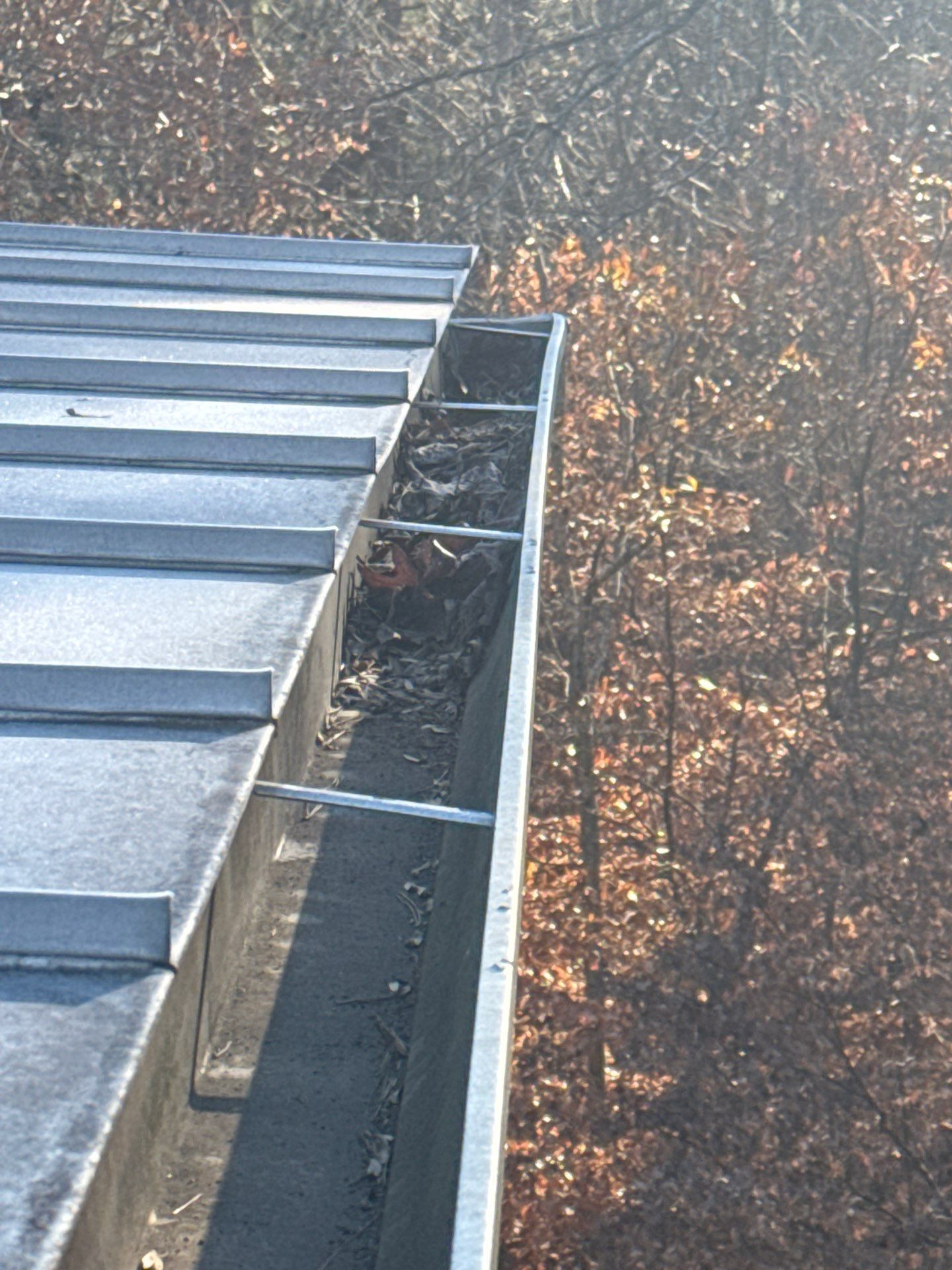
What to expect during installation
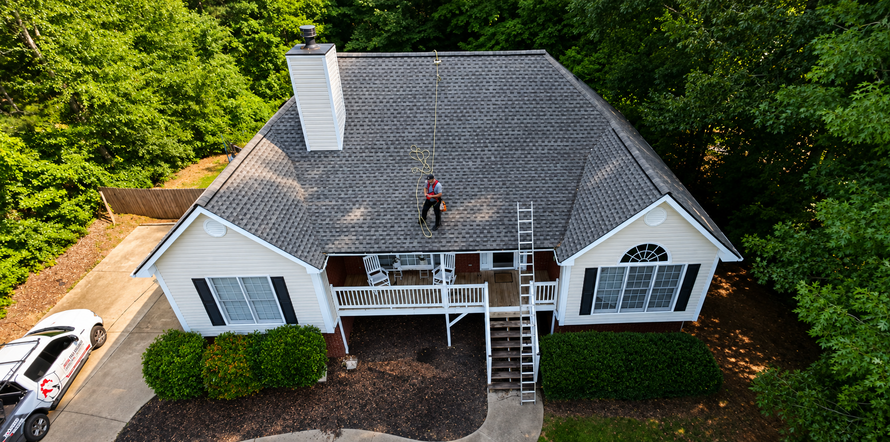
A properly run metal roofing project follows a predictable sequence. Knowing the steps helps you spot a crew that is cutting corners versus one doing the job right. It starts with a physical inspection of the decking, existing roofing material, attic ventilation, and any problem areas like chimneys, skylights, or valleys that collect debris from nearby trees. From there, a reputable contractor provides a written scope of work. This details panel profile, gauge, color, fastener type, underlayment, and flashing specifications before any material is ordered.
- Initial inspection and measurement of the roof deck, slopes, and penetrations
- Written scope of work covering materials, warranty terms, and timeline
- Decision on tear-off versus overlay based on decking condition and local code
- Removal of old shingles or metal, with decking repair as needed
- Installation of synthetic or high-temp underlayment for moisture protection
- Custom-fabricated flashing and ridge caps installed at valleys, eaves, and penetrations
- Panel installation working systematically across the roof plane
- Final walk-through and cleanup inspection with the homeowner
Flashing and ridge caps need close attention. They are common points of failure when installed incorrectly. These pieces should be custom-cut and sized to match your specific roof geometry and panel profile. They should not be pulled from a generic stock size. Oversized or mismatched flashing can trap water, create gaps for wind-driven rain, and clash visually with clean panel lines. Homes with varied roof pitches need this custom fit even more, since no two roofs behave the same way during a heavy summer thunderstorm.
During the work, expect noise from metal cutting, nail guns, and material handling, especially during tear-off. Crews should protect landscaping, driveways, and gutters with tarps or plywood. A magnetic sweep should be run daily to collect stray nails and screws before they end up in your yard or driveway. Dumpsters or trailers are typically staged on-site for old material and debris removal. Most residential metal roof installations take two to five days. This depends on square footage and roof complexity.
The project should close with a final walk-through. You and the crew lead inspect seams, fastener lines, flashing details, and cleanup together before final payment is made.
Common questions about metal roofing
How do I know if my home needs metal roofing instead of a repair?
What happens during a free roof inspection?
Which metal panel type works best for homes in this area?
Can metal roofing lower my cooling bills during summer?
Will my HOA allow a metal roof in my neighborhood?
Does it make sense to install metal roofing if I plan to sell my home soon?

Metro Atlanta's trusted roofing team. Roof replacement, repair, storm damage restoration and inspections across Cobb County, North Fulton, Atlanta and DeKalb, done right the first time.
© 2026 Shelter Guard Roofing. All Rights Reserved.