
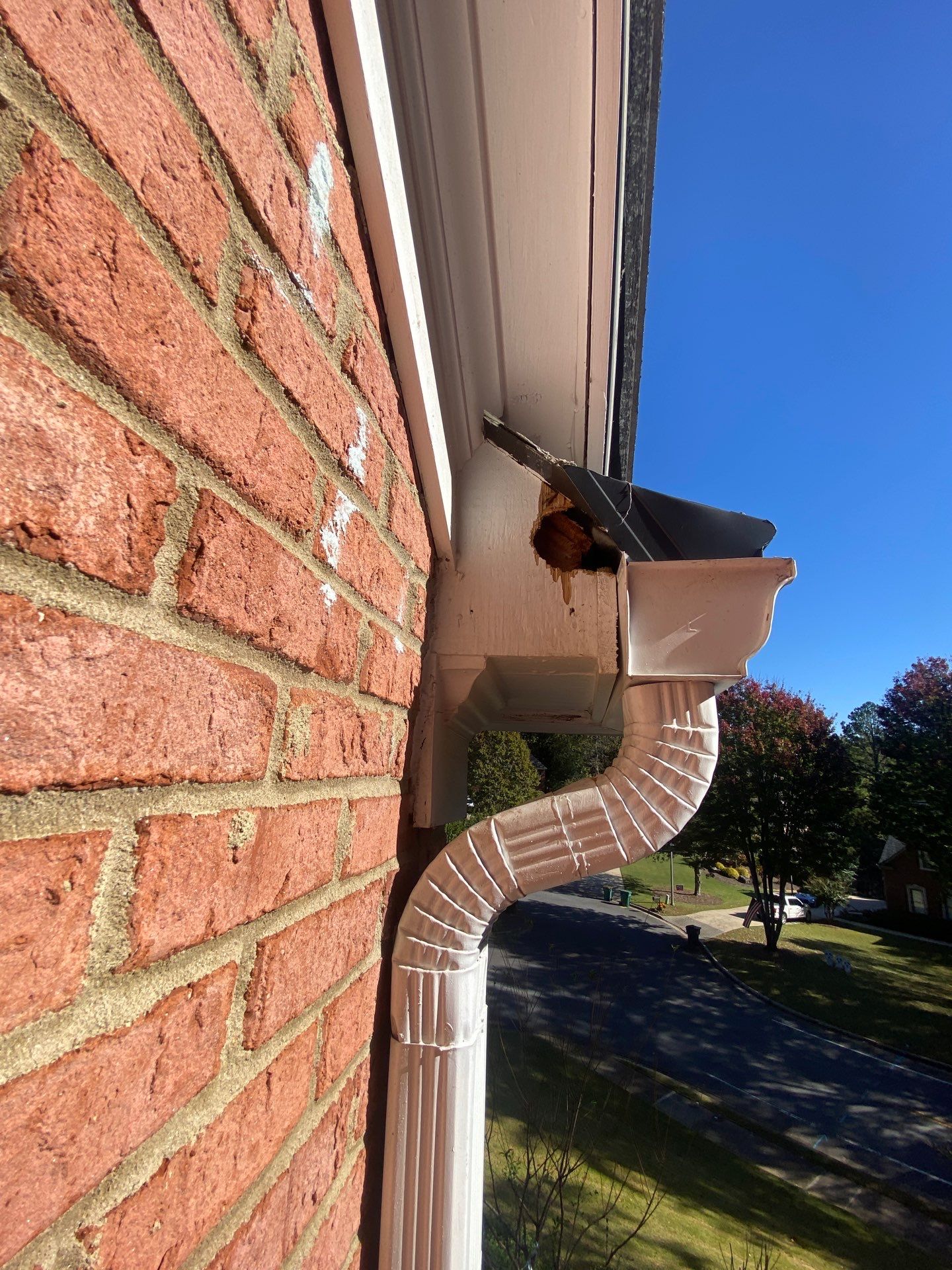
Catch roofline rot before it spreads
Roofing done right the first time.
Trim is the first part of a house to fail and the last part anyone notices. We check the fascia and soffit while we're already up there.
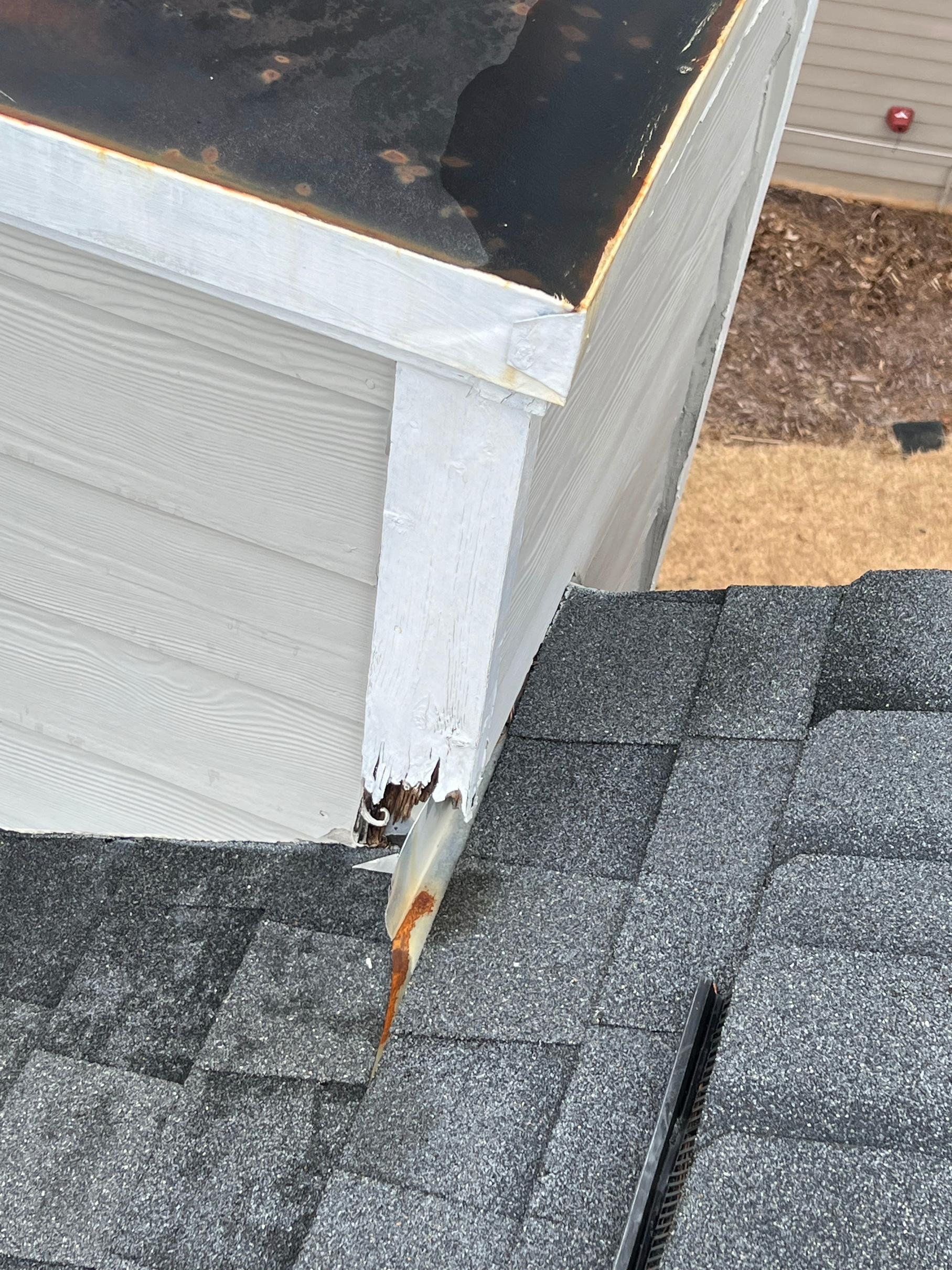
Signs your trim needs a closer look
Trim damage rarely announces itself with a bang. It shows up as peeling paint, soft spots you can press a thumb into, or small gaps where pests have been chewing. Catching it early on fascia and soffit boards saves you from a bigger wood rot repair down the road.
Exterior trim is often the first part of your house to fail, and the last part anyone notices. We often find homes where the roof looks fine, but the fascia board behind the gutter has been soaking up water for two seasons straight.
- Paint that's bubbling, cracking, or peeling near the roofline
- Wood that feels soft, spongy, or gives when you press it
- Small holes or sawdust trails, usually a sign of carpenter bees or wasps
- Gaps between the trim and the wall where water can sneak in
- Dark streaks or stains running down siding below the fascia or soffit
Heavy pine cover does not help. Needles pile up in gutters, water backs up, and it sits right against the fascia board for days after a storm. That's exactly where we find the rot starting.
Not sure if what you're seeing is cosmetic or structural? That's a fair question, and it's hard to tell just by looking.
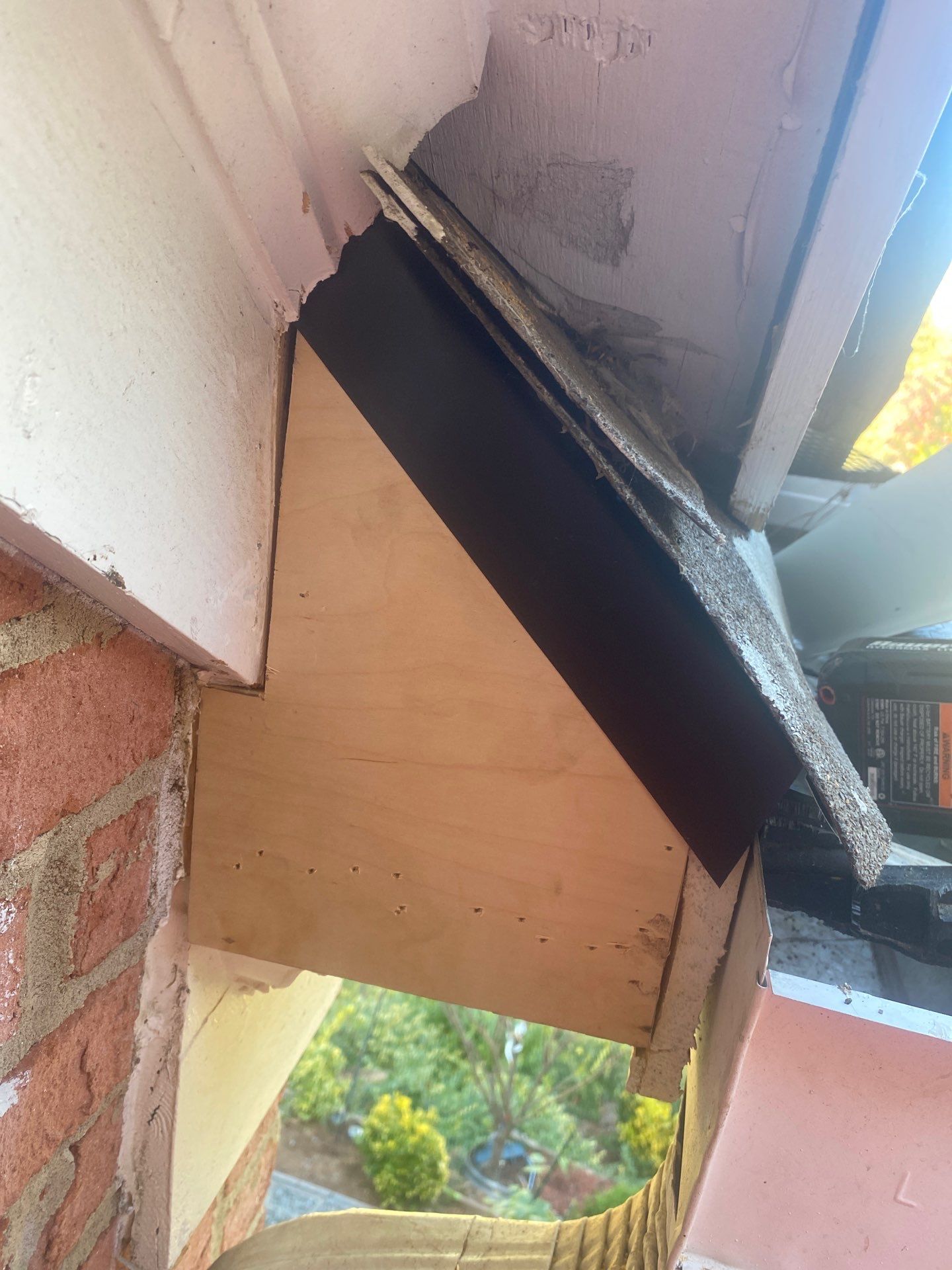
Trim damage and roofline failure are connected
Trim isn't just the trim around your roof. It's the seal between your roof and the rest of your house. Once fascia or soffit boards start to rot, water finds a way in. Once water gets behind that board, it doesn't stop there.
Heavy pine tree cover can make this problem worse on residential lots. Pine needles pack into gutters fast. When gutters back up, water sits against the fascia board instead of draining off. Over a few seasons that constant moisture softens the wood. The paint bubbles and the board starts to sag.
We see this every week on roofs that are otherwise in decent shape.
Once the fascia goes, the roof decking above it is next in line. The edge of your decking rests right on that trim. If the trim rots out from under it, the decking loses support. It can flex, crack, or let water track straight into your attic. That's no longer a trim repair. That's a decking repair, and sometimes a bigger job than it needed to be.
- Paint peeling or bubbling along the roofline
- Soft or spongy fascia boards near gutters
- Soffit panels sagging or pulling loose
- Visible daylight gaps between trim and roof edge
- Water stains on the underside of the eaves
Catch it at the trim stage and it's a straightforward fix. Wait, and you're looking at decking repair too, sometimes more.
Keep your home tight and protected
Exterior trim seals and frames your home, keeping weather, moisture, and pests where they belong, outside. Cracked, rotting, or improperly sealed trim invites water behind your siding, rotting sub-framing and creating hidden, costly structural problems.
- Detailed written estimateClear, itemized pricing detailing repair or replacement options for your trim.
- Photo proof & documentationHigh-resolution photos showing exact areas of rot, sealant failure, or weather damage along your trim lines.
- In-person expert consultationOur specialist reviews the condition of your trim and recommends the most durable, low-maintenance repair or replacement solution.
Protect your exterior. Prevent costly hidden water damage.
Book My Free Inspection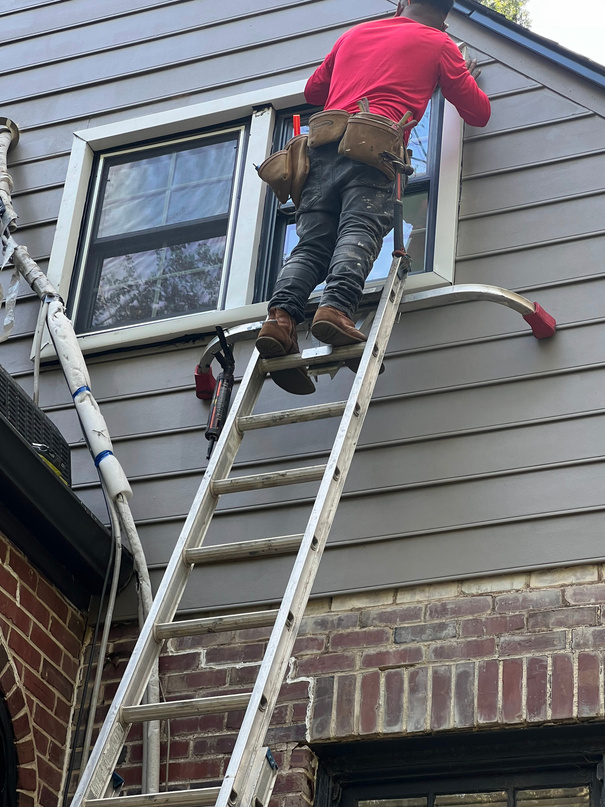
When trim only needs paint, not replacement
Not every peeling board needs to come off the house. That's just the truth. If the wood is still solid underneath, a scrape, a coat of primer, and fresh paint can buy you several more years. We check for this before we ever suggest replacement, because pulling good wood off a house doesn't help anyone.
So how do you know which one you've got? Press a screwdriver into the trim in a few spots, especially near corners and joints. Solid wood pushes back. Soft wood gives, sometimes with a little crumble. That's the test we use on every roof inspection when we're already up there looking at fascia and soffit lines.
- Paint is peeling or chalky but the board underneath feels firm
- Small hairline cracks with no soft spots when pressed
- Discoloration from sun exposure, not water staining
- No gaps opening up where trim meets siding or roofline
Summer heat is hard on paint film. It bakes and cracks faster than folks expect, especially on south-facing trim. Heat damage alone doesn't mean the wood is failing. That's an important difference, because painting rotten wood just hides the problem for a season. If a homeowner catches peeling early and gets it painted before a wet fall, they skip a repair bill entirely.
If your trim passes the screwdriver test, save your money. Paint it, keep an eye on it next spring, and move on.

Thinking about exterior trim?
Let's talk. We'll check the fascia and soffit, find what's letting water in, and tell you whether it's a paint job or a repair.
Book My Free Inspection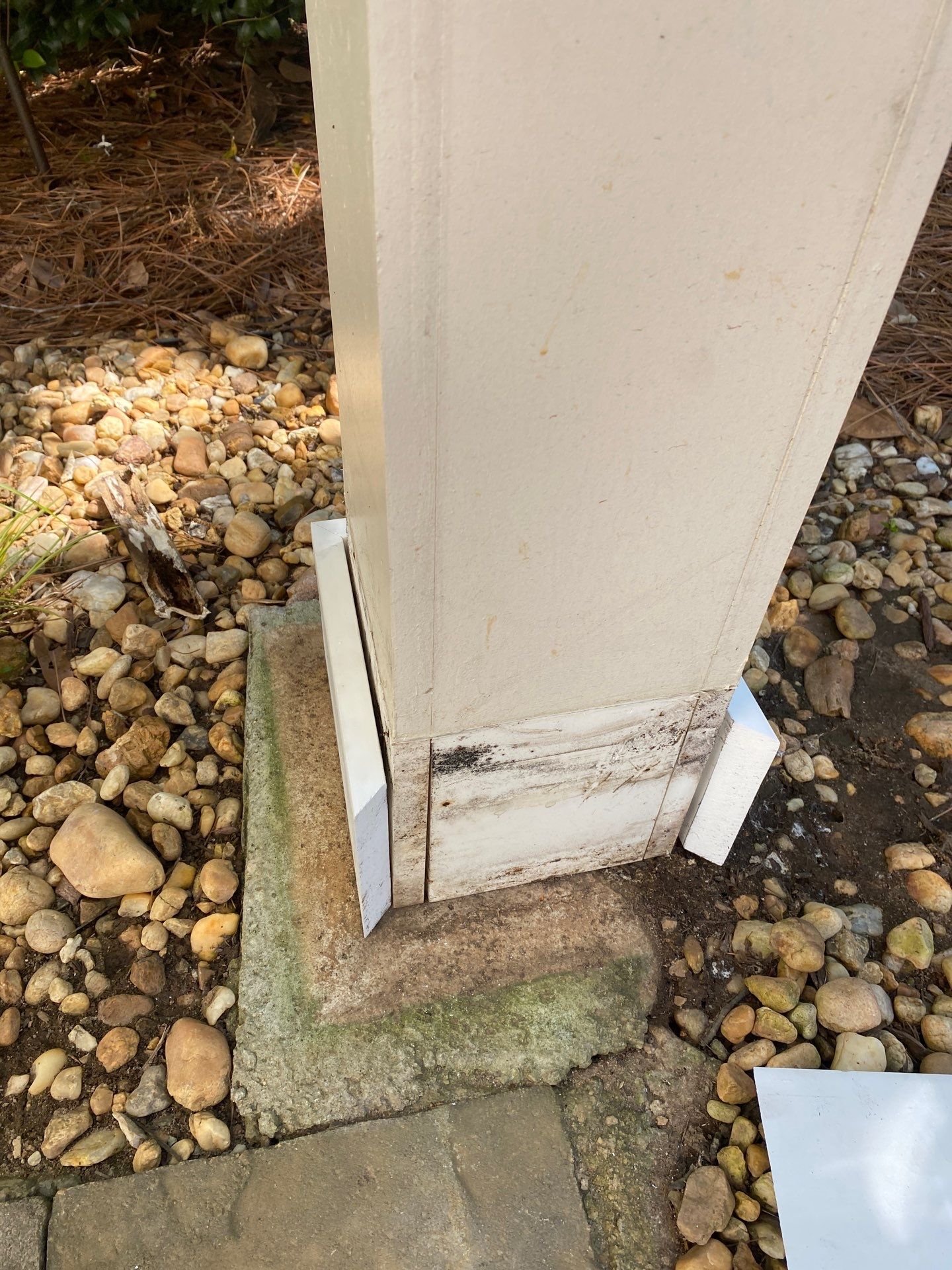
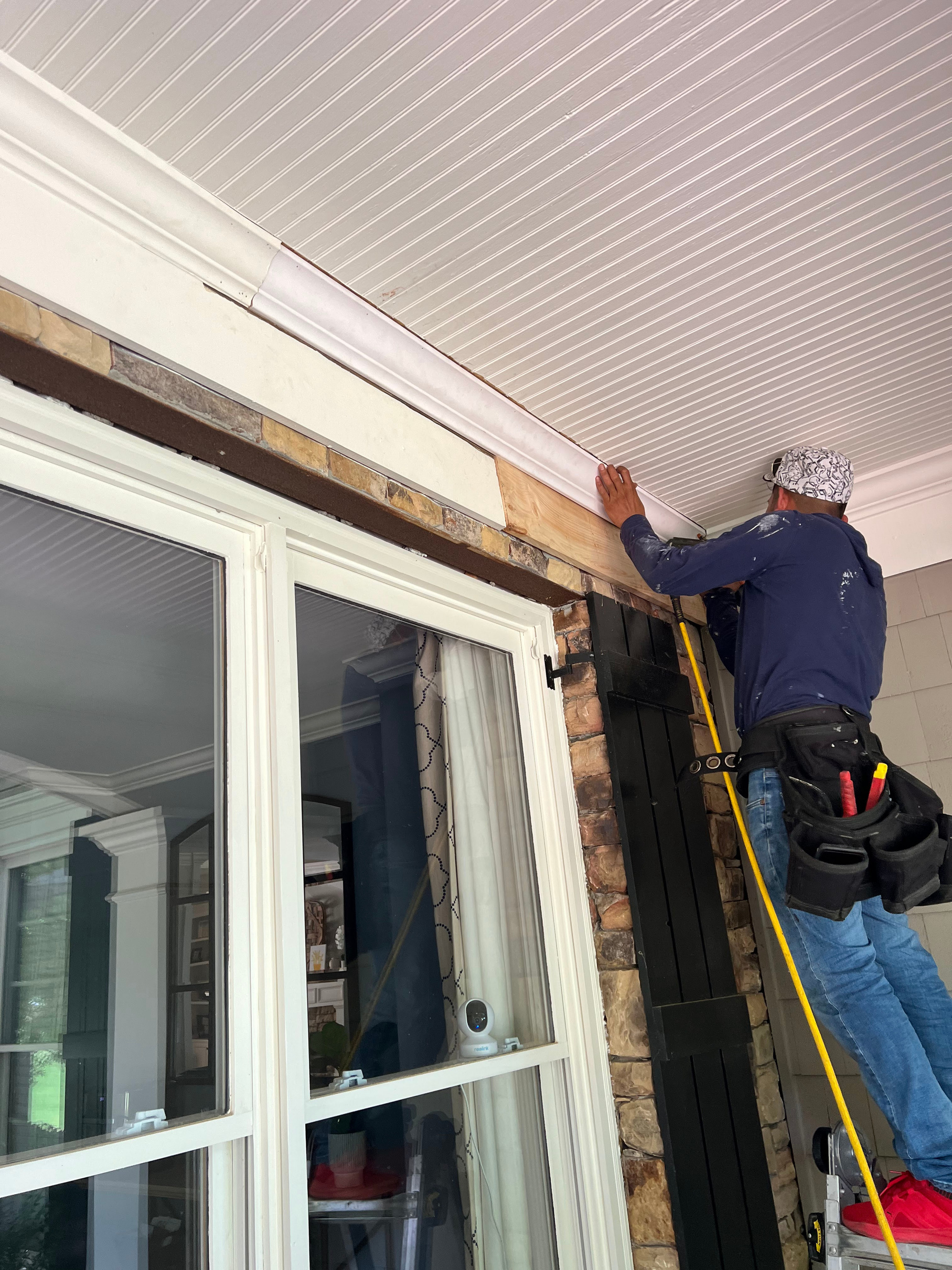
What happens during a trim repair or replacement
Every trim job starts the same way: with a close look at what's going on behind the boards. Rot spreads fast once water gets behind fascia or soffit, so we're not just eyeballing the surface. We check for soft spots, staining, and gaps where pests or moisture could be getting in. Heavy summer humidity and pine needle buildup in gutters mean trim near the roofline takes a beating year after year.
- We inspect the trim, fascia, and soffit areas, checking for soft wood, cracked paint, and water staining.
- We identify the cause. Sometimes it's a failed pipe boot or flashing letting water run behind the board.
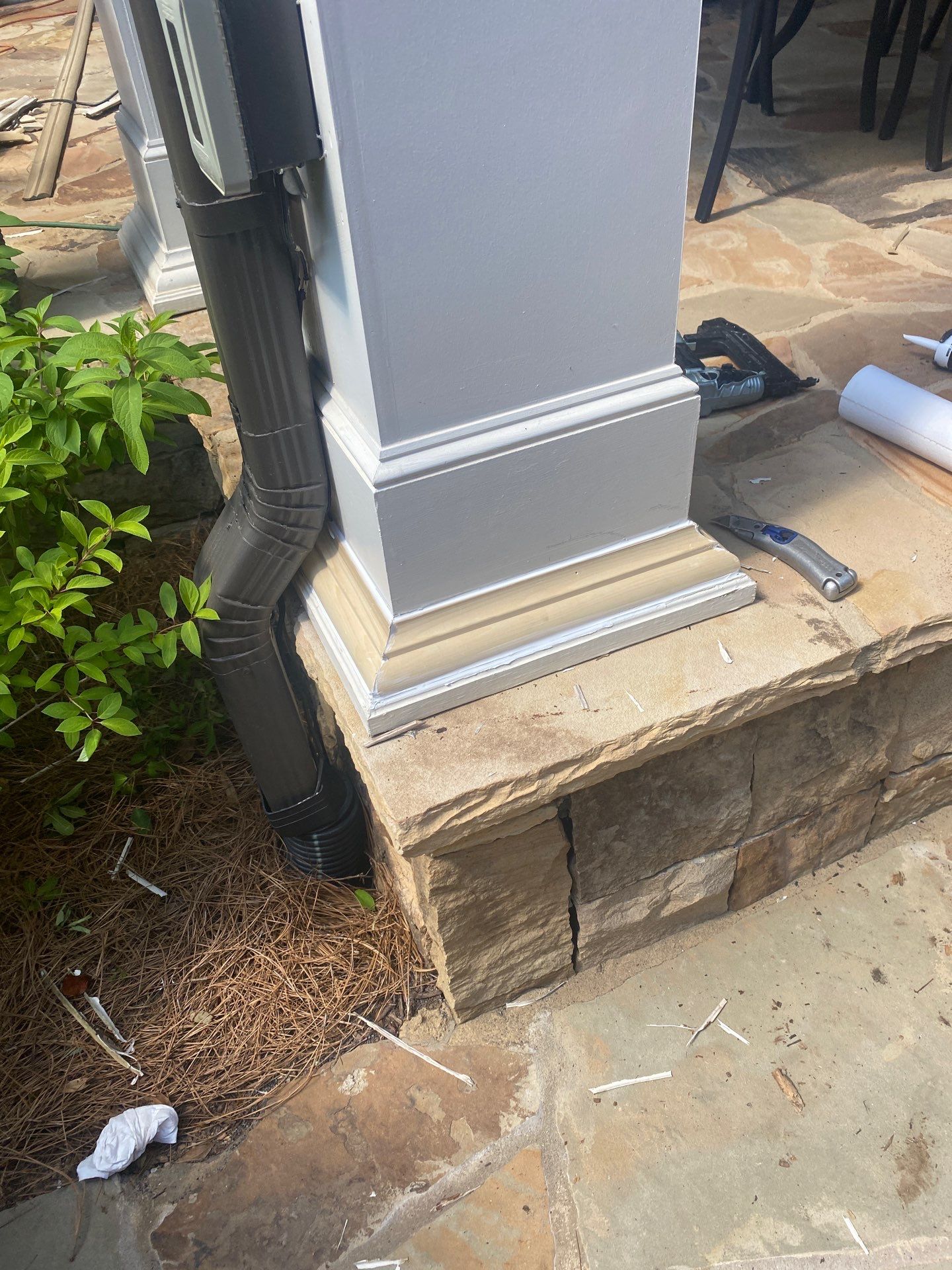
- We remove the damaged section only, not the whole run, unless rot has spread further than expected.
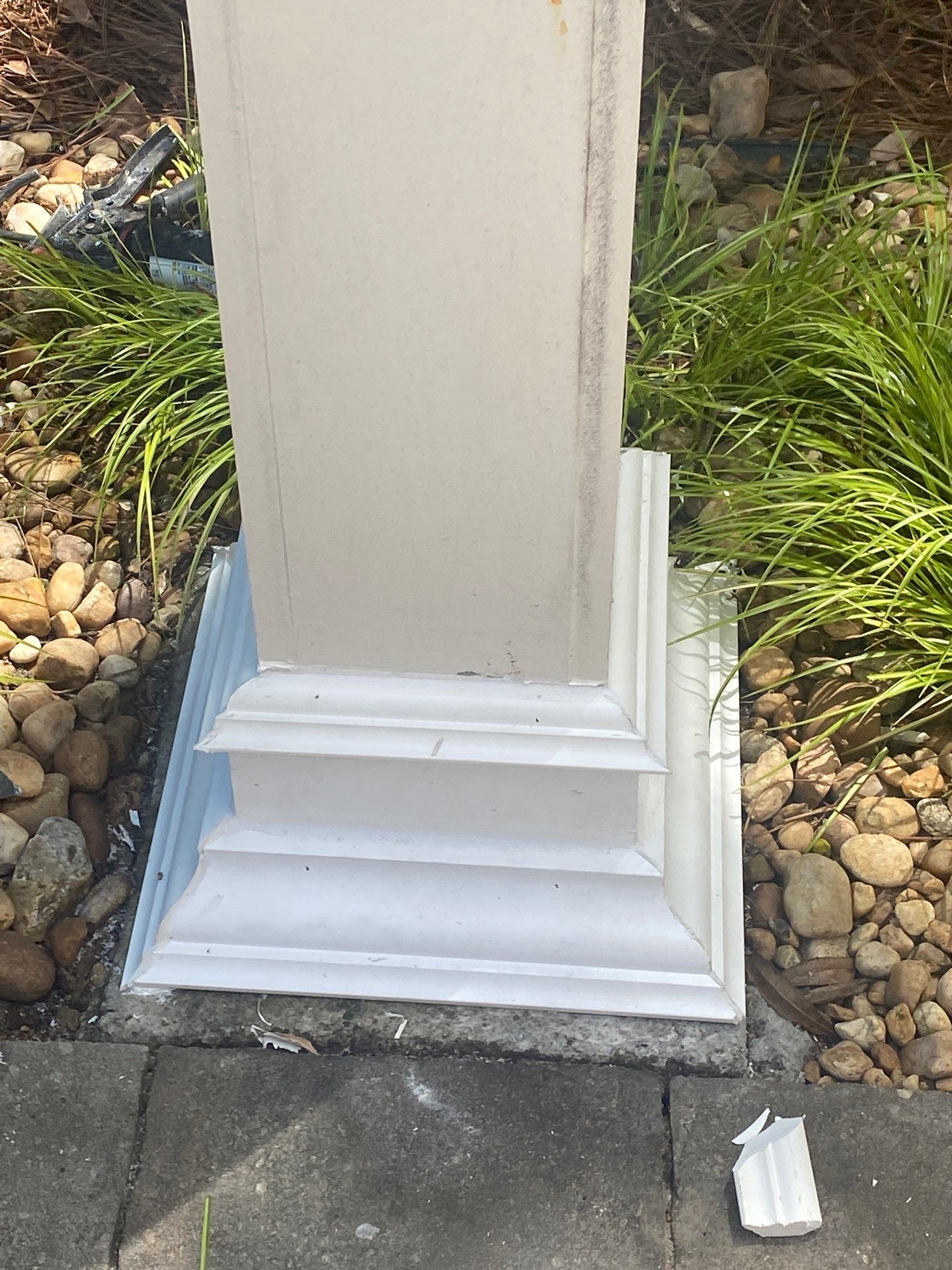
- We replace with matching material, whether that's wood, PVC, or aluminum capping depending on your home's trim style.
- We seal and paint or finish the repair so it blends with the rest of your exterior.
That third step matters more than people think. We've opened up trim boards expecting a small patch and found rot running two feet further than the visible damage. Cutting corners there just means you're calling someone back out in a year. As an Owens Corning Preferred contractor, our crew follows install standards that hold up, not shortcuts that look fine from the ground.
So how long does it take? A single fascia section might be a half-day job. A full soffit and trim replacement around a roofline runs longer. This is especially true if flashing or decking underneath needs attention too.
How exterior trim pricing works
Exterior trim pricing isn't a flat number. Most contractors price by the linear foot for fascia and soffit, and by the piece for corner boards, window trim, or rake boards. That's the standard model across the trade.
So what actually moves the number up or down? A few things. Humid summers can push moisture into wood trim faster than you'd see in drier climates, so rot depth matters. Shallow surface damage costs less to fix than trim that's gone soft all the way through.
- Material choice: wood, composite, or aluminum trim each carry different costs
- Access: second-story trim near steep rooflines takes more time and safety gear
- Extent of rot: a few feet of damage versus a whole run of fascia
- Paint or finish work needed after the repair
- Whether flashing or gutters have to come off first
Here's the thing nobody tells you upfront. That last bullet, removing gutters or flashing, is the one that surprises homeowners most. We see it every week. You call about one rotted board, we get up there, and the flashing behind it needs attention too.
Before you hire anyone, ask what's included in the number they give you. Does it cover disposal of the old trim? Primer and paint? A written breakdown, not a verbal guess, protects you either way.
We do free inspections and give you a written quote before any work starts. No surprise change orders once we're on the ladder.
Common questions about exterior trim
How do I know if my trim needs repair or just a coat of paint?
Why does trim rot happen so often?
What happens during a trim inspection or repair visit?
Can trim damage lead to bigger roof problems if I wait?
How long does a typical exterior trim repair take?
Catch roofline rot before it spreads
Free inspection of the fascia, soffit, and trim lines, with a written quote before any work starts.
Get My Free Inspection
Metro Atlanta's trusted roofing team. Roof replacement, repair, storm damage restoration and inspections across Cobb County, North Fulton, Atlanta and DeKalb, done right the first time.
© 2026 Shelter Guard Roofing. All Rights Reserved.