Chimney Chase Caps: Stop Rust, Leaks, and Pests for Good
Roofing Done Right the First Time.
A failing chase cap often shows up as rust streaks, gaps at the seams, or water stains near the chimney inside your home. Catching these signs early can keep a small metal repair from turning into damaged framing or decking.
Signs Your Chimney Chase Cap Is Failing
A failing chimney chase cap often shows up as rust streaks, gaps at the seams, loose edges, or water stains near the chimney inside your home. Catching these signs early can keep a small metal repair from turning into damaged framing, decking, or interior water damage.
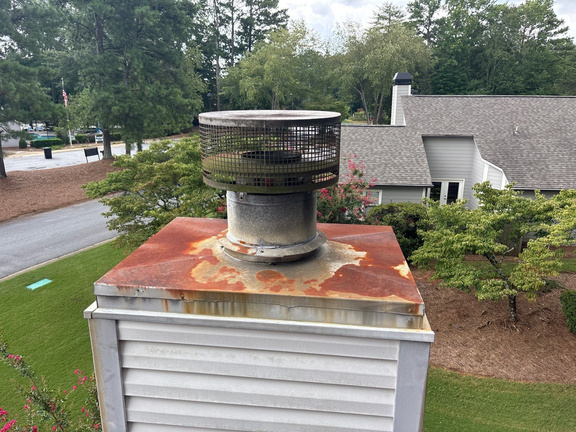
The first sign is often rust. Orange streaks running down the metal or onto the shingles below can mean the protective coating is breaking down. Look closely at the seams and corners too. Chase caps are made from formed metal panels that join at edges and corners, and sealant can crack and the metal can shift with temperature changes, creating openings where rain can enter.
- Rust streaks or chalky residue on the metal
- Visible gaps where panels meet at the corners
- Loose edges that lift or rattle in the wind
- Water stains or musty smells near the chimney
- Cracked or missing sealant around the cap
- Visible corrosion or small holes in the metal
The damage rarely stays where you first see it. Water that gets past a failed chase cap can travel down into the framing and sheathing underneath.
Protect Your Chimney with a Free Inspection
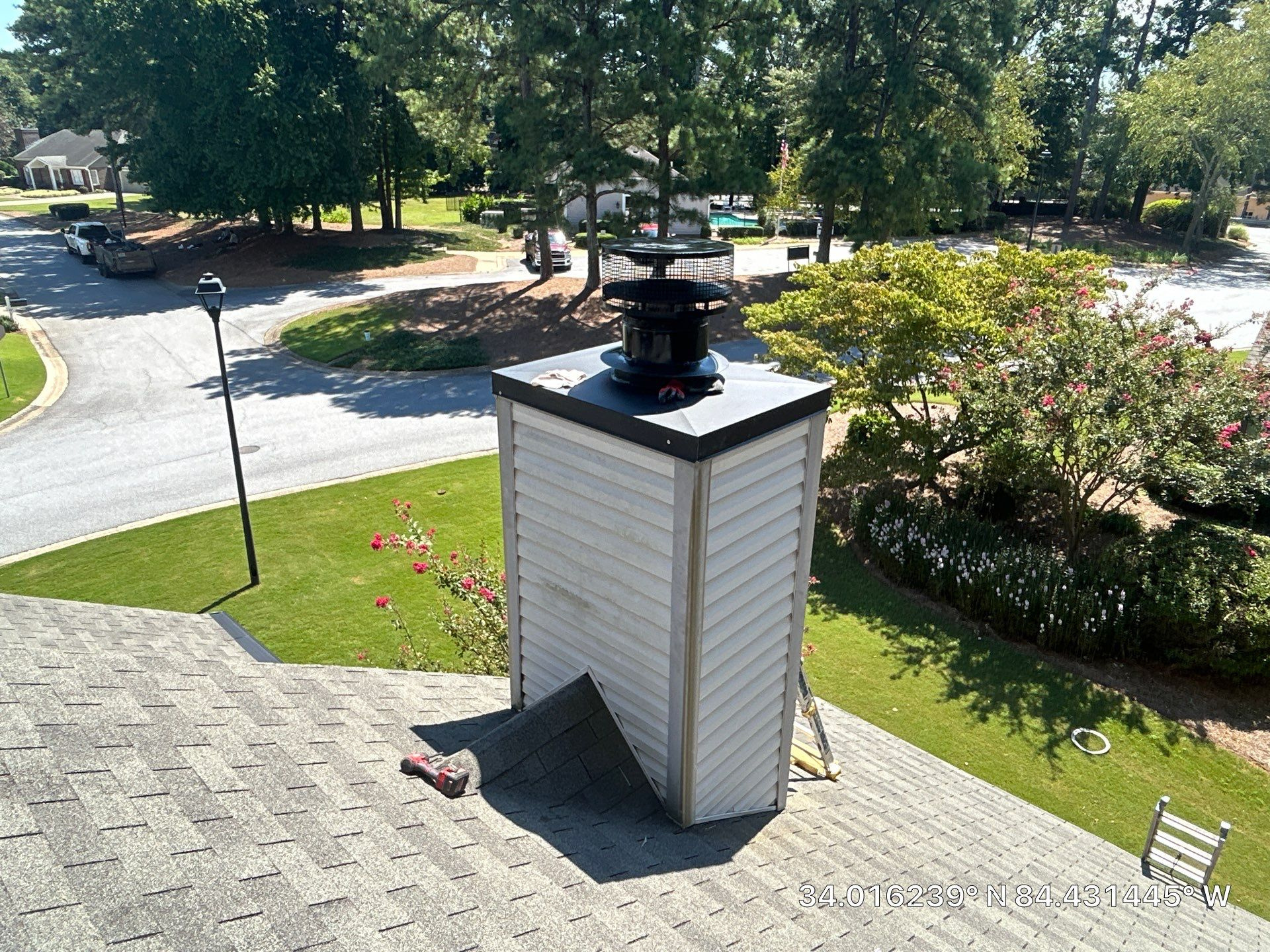
A chimney chase cap sits over top of a framed chimney chase, protecting the internal structure and flue from severe weather. Over time, stock metal chase caps can rust out, pool water, or crack at the seams, allowing water to leak straight into your chimney structure, causing hidden wood rot, mold, and costly interior damage.
- Detailed Written Estimate: Clear, itemized pricing covering rust treatment, seam sealing, or custom stainless steel/aluminum cap replacement.
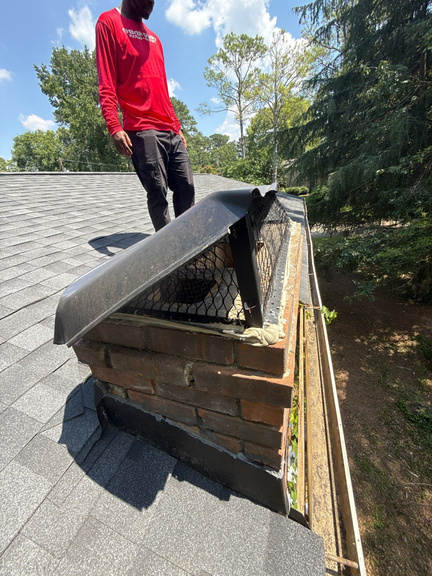
- Photo Proof & Documentation: High-resolution photos capturing rust spots, standing water tracks, seam cracks, or leaks around your chase cap.
- In-Person Expert Consultation: Our specialist reviews your chase cap's condition and recommends the most durable, weather-resistant solution to protect your chimney.
Protect your chimney structure. Prevent costly internal water damage.
Book My Free Inspection (opens in a new tab)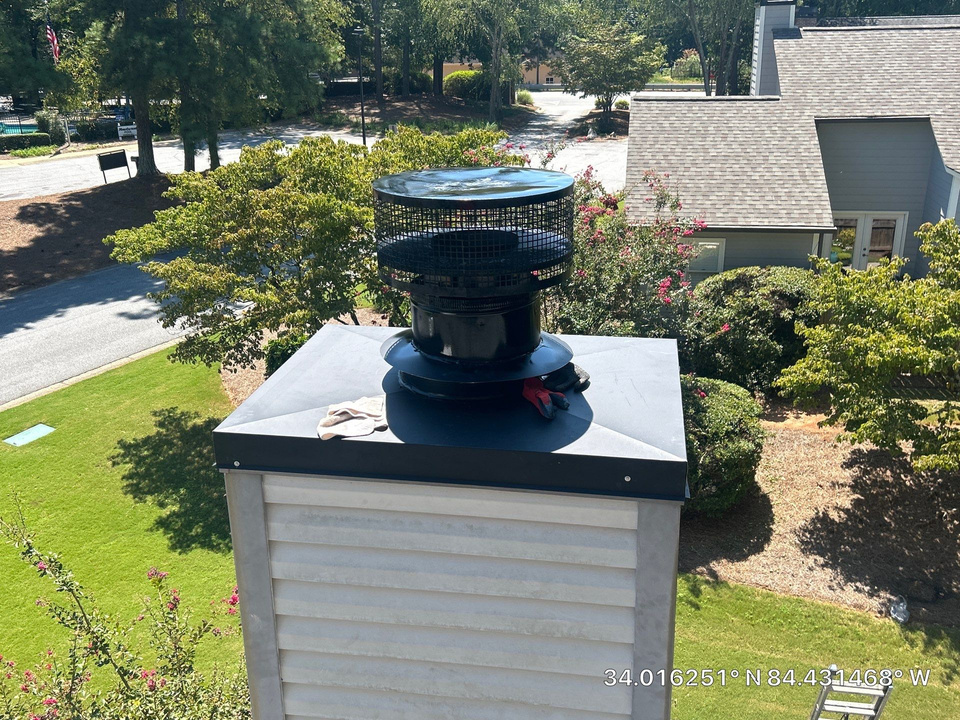
Chase Cap Problems on Older Homes
Older homes with wood-framed chimney chases often have metal caps that have been exposed to years of sun, rain, wind, and temperature changes. Eventually, seams can open, fasteners can loosen, and corrosion can weaken the metal.
Once water gets underneath the cap, it can travel down inside the chimney chase and soak the wood framing. By the time interior staining appears, the problem may have been developing for much longer than it seems. That's why catching a failing cap early matters.
- Rust streaks running down the chase siding
- A cap that looks lifted, warped, or loose
- Gaps where old sealant has cracked or disappeared
- Water stains on ceilings or walls near the chimney
- Musty odors coming from an attic or nearby closet
When a Chase Cap Repair Beats Full Replacement
Not every damaged chase cap needs to be replaced. If the metal pan is still structurally sound, a localized repair may be enough.
For example, a small gap caused by failed sealant doesn't necessarily mean the entire cap has failed. The seam can often be repaired and resealed, followed by an inspection of the surrounding flashing. Replacement becomes more appropriate when the metal is rusted through, badly warped, has multiple failed areas, or has already been repaired several times.
- The metal pan is still intact without rust-through
- Damage is limited to seams, sealant, or fasteners
- Rust is only superficial
- The cap is relatively newer and otherwise in good condition
The goal isn't to replace something simply because it's old. It's to determine whether the existing cap can still protect the chimney properly.
What to Expect During a Chase Cap Inspection and Installation
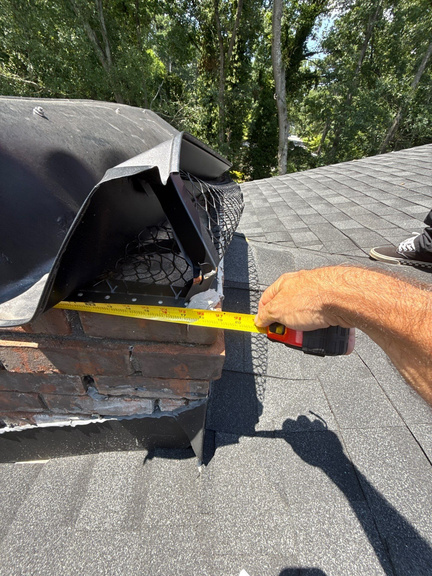
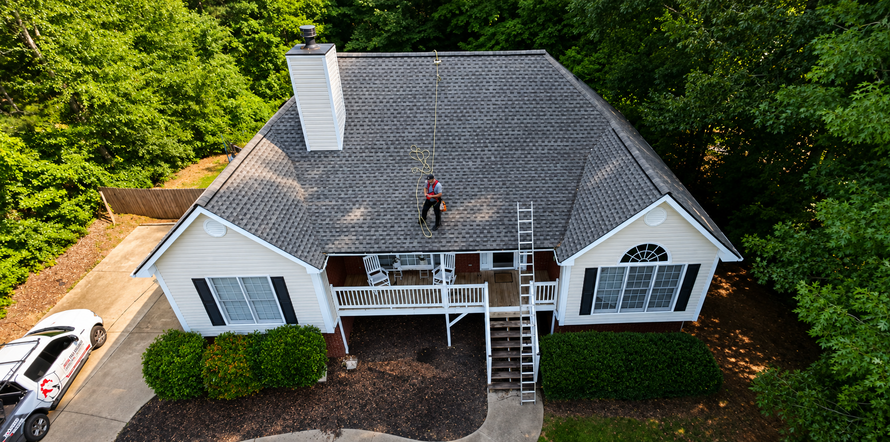
A proper inspection starts on the roof, not from the driveway. We check the chase cap itself along with the seams, fasteners, edges, and surrounding flashing.
- Measure the chimney chase opening accurately
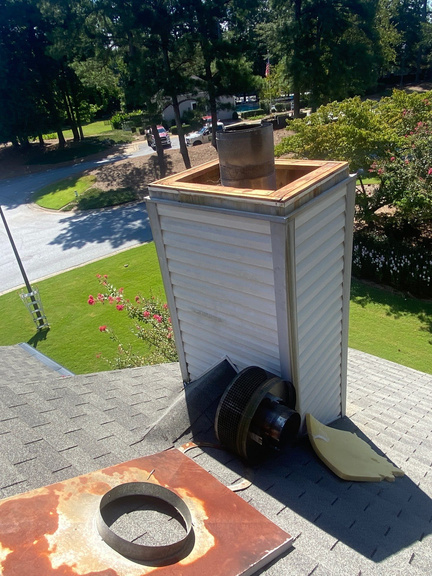
- Remove the existing cap and inspect the wood framing underneath for rot or water damage
- Fabricate or install the appropriately sized replacement cap
- Ensure the cap has proper overhang and drainage
- Secure and seal the cap against water intrusion
- Inspect nearby flashing and roof connections
- Photograph the condition before and after the work
That framing inspection is important. If water has been entering underneath the old cap, simply installing a new piece of metal may leave hidden damage underneath. You'll know what we find before the scope of work changes.
Don't Wait for a Small Leak to Become a Big One
A properly installed chase cap directs water away from the chimney chase while keeping the surrounding roofline protected. Book a free inspection and get a written scope before anything changes.
Book My Free Inspection (opens in a new tab)Frequently Asked Questions
How do I know if my chimney chase cap needs repair?
What happens during a chase cap inspection?
Can a rusty chase cap be repaired?
How do I know if water is getting inside the chimney chase?
Does a new chase cap require roof replacement?
How long does chase cap installation take?

Metro Atlanta's trusted roofing team. Roof replacement, repair, storm damage restoration and inspections across Cobb County, North Fulton, Atlanta and DeKalb, done right the first time.
© 2026 Shelter Guard Roofing. All Rights Reserved.